Sevilla — El Garrobo, Sevilla
EN- 01Sevilla · 13:07
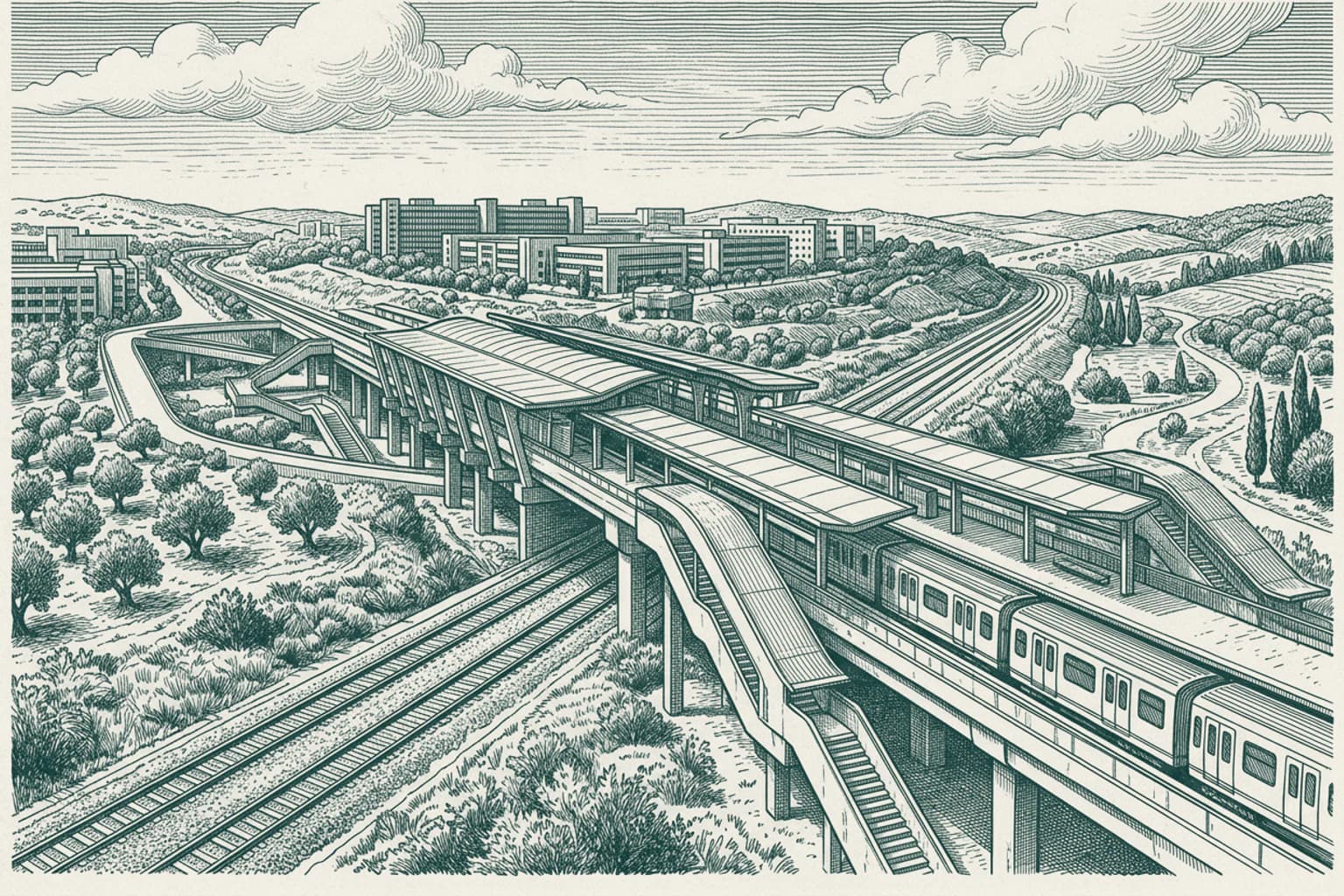
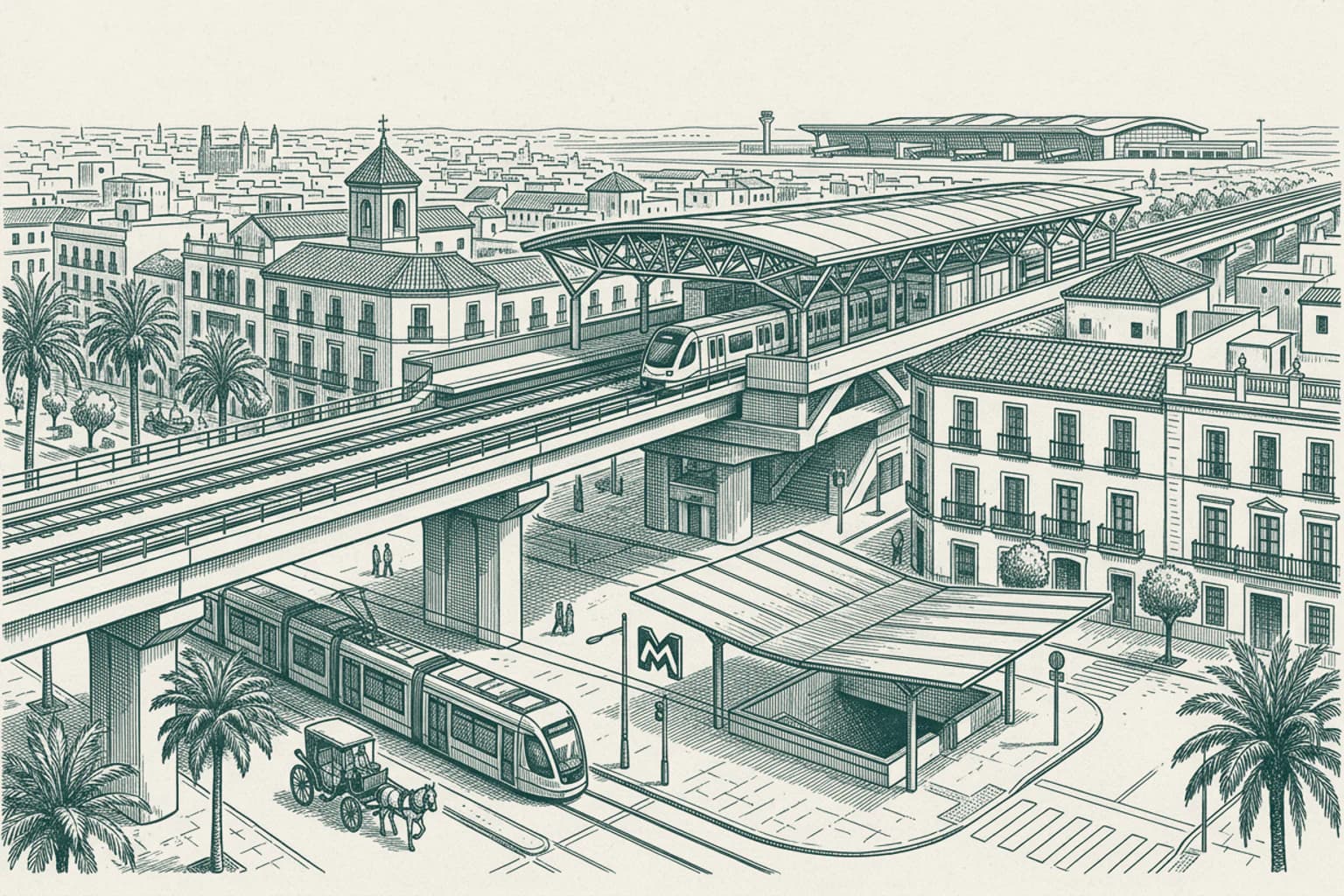
Sevilla The Legacy of Pablo de Olavide
It is a pleasure to find you traveling this path once again, where the modern landscape of Seville meets the deep roots of its history. Beyond the academic halls, this area carries the name of Pablo de Olavide, a Spanish-Peruvian statesman who left an indelible mark on the city during the eighteenth century. He was a visionary administrator and urban planner, instrumental in reshaping the civic face of Seville through his bold reforms and social initiatives. His influence extended far beyond mere architecture, as he sought to modernize the city's infrastructure and improve the conditions of its inhabitants. Today, the elevated metro station and the sprawling campus serve as a tribute to a man who dedicated his life to the intellectual and structural development of this region. His spirit remains woven into the very organization of the territory you are currently crossing.
- 02Seville, Sevilla · 13:08
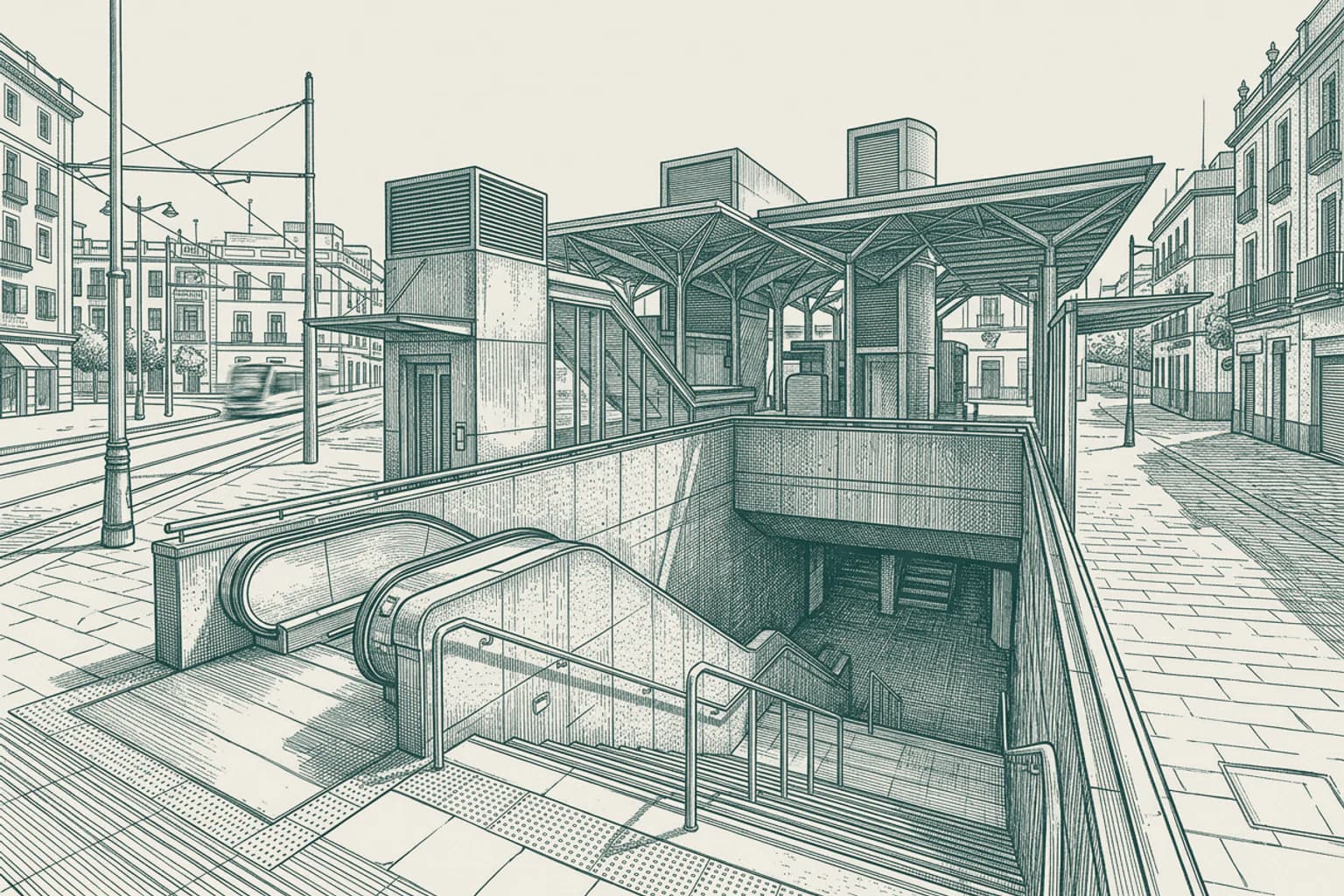
Seville, Sevilla The Neighborhoods of Cerro del Aguila
It is a pleasure to find you traveling through these streets once more. We are currently passing through the heart of the Cerro del Aguila neighborhood, where the daily rhythm of Seville unfolds far from the quiet marble of the city center. Beneath the pavement, the metro line connects these dense residential quarters through the La Plata station, a name that translates simply to the silver. This stop serves as a vital artery for the local community, linking the intersection of Los Gavilanes Avenue and Virgen de la Saleta Street to the rest of the city. While the modern underground tunnels provide a swift passage, the surface remains defined by the layered history of these districts. The architecture here tells a story of urban expansion, where residential life and industrial remnants converge to form the distinct character of this vibrant eastern sector of Seville.
- 0313:10
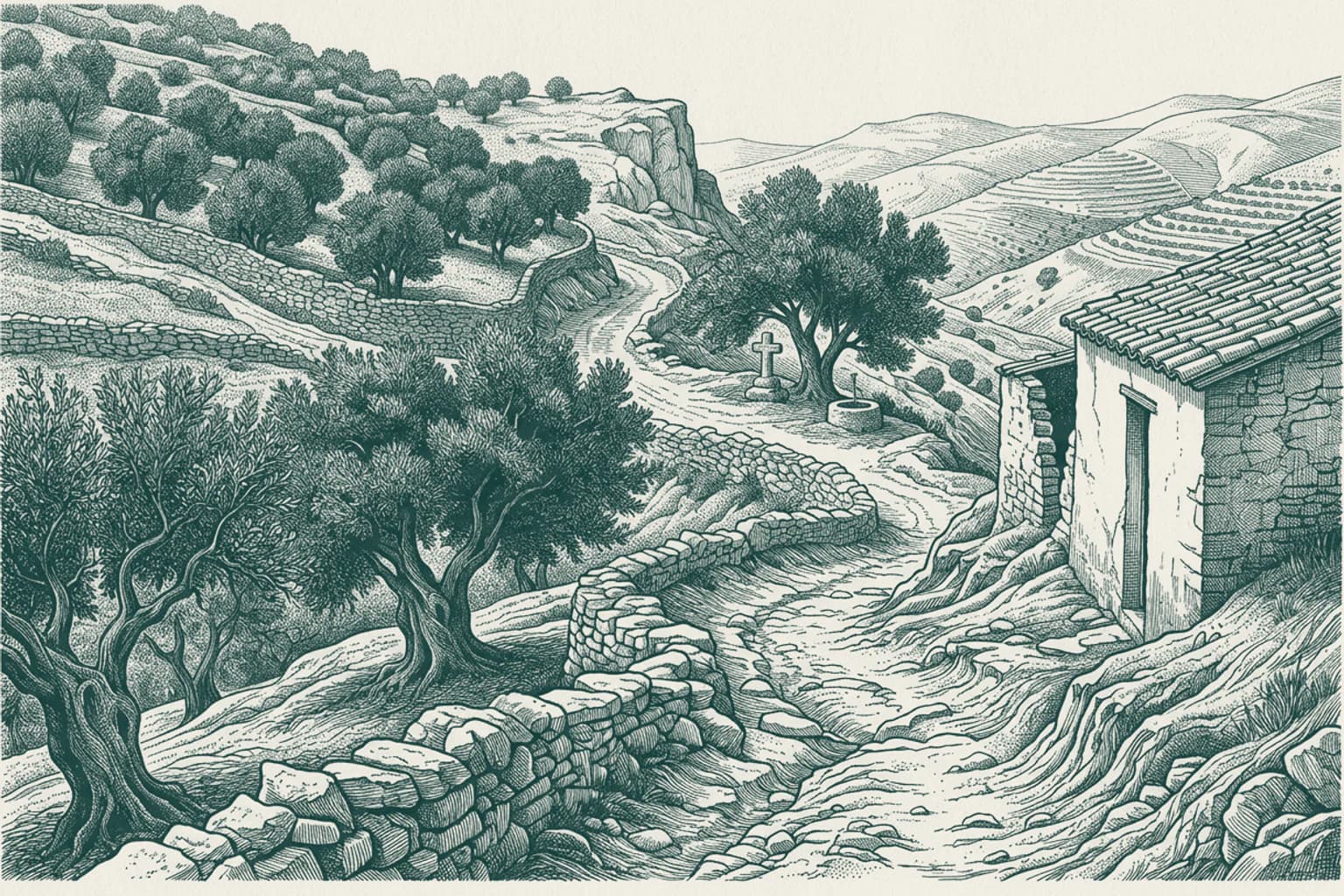
The Road Between Seville and Aracena
As you travel through the landscape of Andalusia, the road stretches out, connecting two distinct worlds that share a deep, historical tapestry. Seville, the grand capital on the banks of the Guadalquivir, has long been a center of power, from its Roman origins as Hispalis to its zenith as the gateway of the Spanish Empire. In contrast, Aracena, nestled in the Sierra Morena, presents a different story, one of mountain fortresses and subterranean secrets. While these two locations are separated by geography, their histories are intertwined through the shifting tides of medieval rule. For a significant period, Aracena existed as unattached land that remained under the jurisdiction of Seville. This administrative bond defined the early growth of the town, which expanded from the shadow of its castle into the valley below. The castle itself, a silent witness to centuries of change, was originally erected during the Islamic period, standing as a sentinel over the region. The connection deepened when the Crown of Castile ceded the town to the Knights Templar, who left their mark on the local architecture. Over the centuries, the stewardship of Aracena shifted, eventually falling under the influence of the Count-Duke of Olivares and later the Count of Altamira, who held the title of Prince of Aracena. While Seville was busy managing the fleets of the Indies and becoming one of the largest cities in Western Europe, Aracena was carving out its own identity within the natural park that bears its name. Today, the legacies of these places manifest in very different ways. In Seville, the history is etched into the UNESCO World Heritage sites of the Alcázar and the Cathedral, and in the modern pulse of a city that hosts global events and major universities. In Aracena, the history is buried deep within the earth, where the Gruta de las Maravillas, discovered by a shepherd in the late nineteenth century, offers a spectacular journey through two thousand meters of subterranean passages. Though the administrative ties of the past have long since dissolved, the road remains, linking the bustling, historic streets of the Andalusian capital to the quiet, mineral-rich hills of the Sierra de Aracena, where the legacy of medieval castles and hidden caves continues to define the landscape.
- 0413:10
The Hidden Roots of Aracena
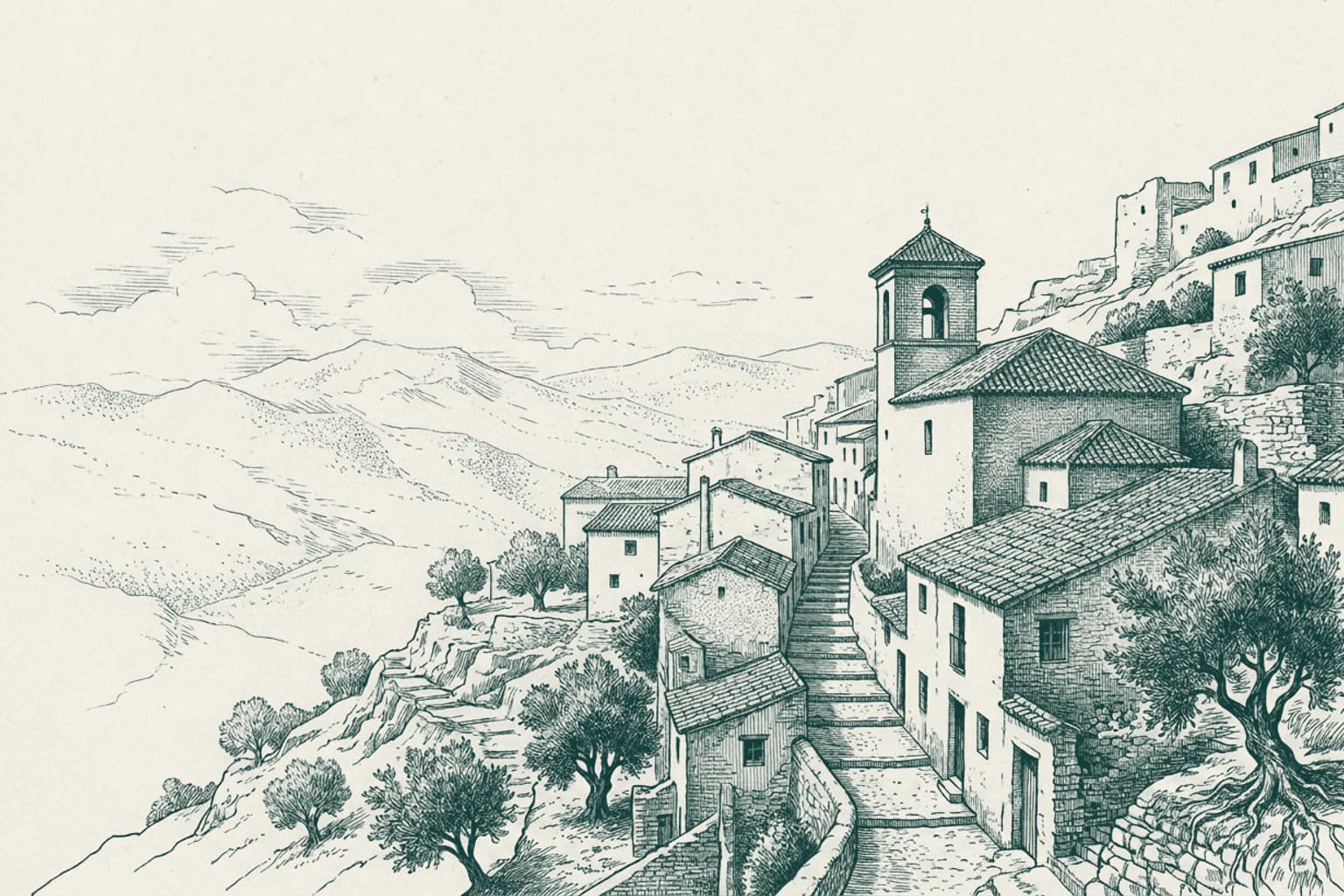
Imagine a landscape defined by the rugged silhouette of the Sierra Morena, where the earth itself seems to hold a secret beneath the surface. You are approaching Aracena, a town that clings to the slopes of a hill as if guarding a silent, ancient pact. This is not merely a town in the province of Huelva; it is a place where history was literally layered stone by stone, beginning in the thirteenth century. The skyline here is dominated by the Castillo-Iglesia de Nuestra Señora de los Dolores, a structure that tells the story of a shifting world. It stands on the site of an earlier Moorish castle, a fortress that once saw the rise of an Islamic stronghold before the Crown of Castile ceded the territory to the Knights Templar. When you look toward the heights, you are seeing the result of that transition, where the defensive walls of an alcazaba merged with the spiritual ambition of the Mudéjar-style Priory Church. The town grew outward from this Cerro del Castillo, expanding from a military outpost into a valley settlement that would eventually serve the interests of the Count-Duke of Olivares and the Count of Altamira. The stakes were high in those centuries, as the town navigated its identity between the rigid demands of feudal lords and the necessity of defense on a jagged frontier. Yet, while the stone walls above ground were the focus of kings and knights, the true heart of this place was forming in total darkness, hidden deep within the limestone beneath the very foundations of the castle. For generations, the inhabitants of the hill lived their lives entirely unaware of the subterranean labyrinth stretching for over two thousand meters directly under their feet. It was a world of mineral formations and silent, subterranean lakes, waiting for a chance encounter to pull it into the light. The stage was set for a discovery that would change the trajectory of this mountain town forever, turning a quiet agricultural settlement into a destination defined by its hidden, glittering depths. The history of the surface was being written in treaties and masonry, but beneath the soil, a different kind of time was unfolding, entirely indifferent to the titles and ambitions of those who walked above.
- 0513:10
The Secrets Beneath the Castle
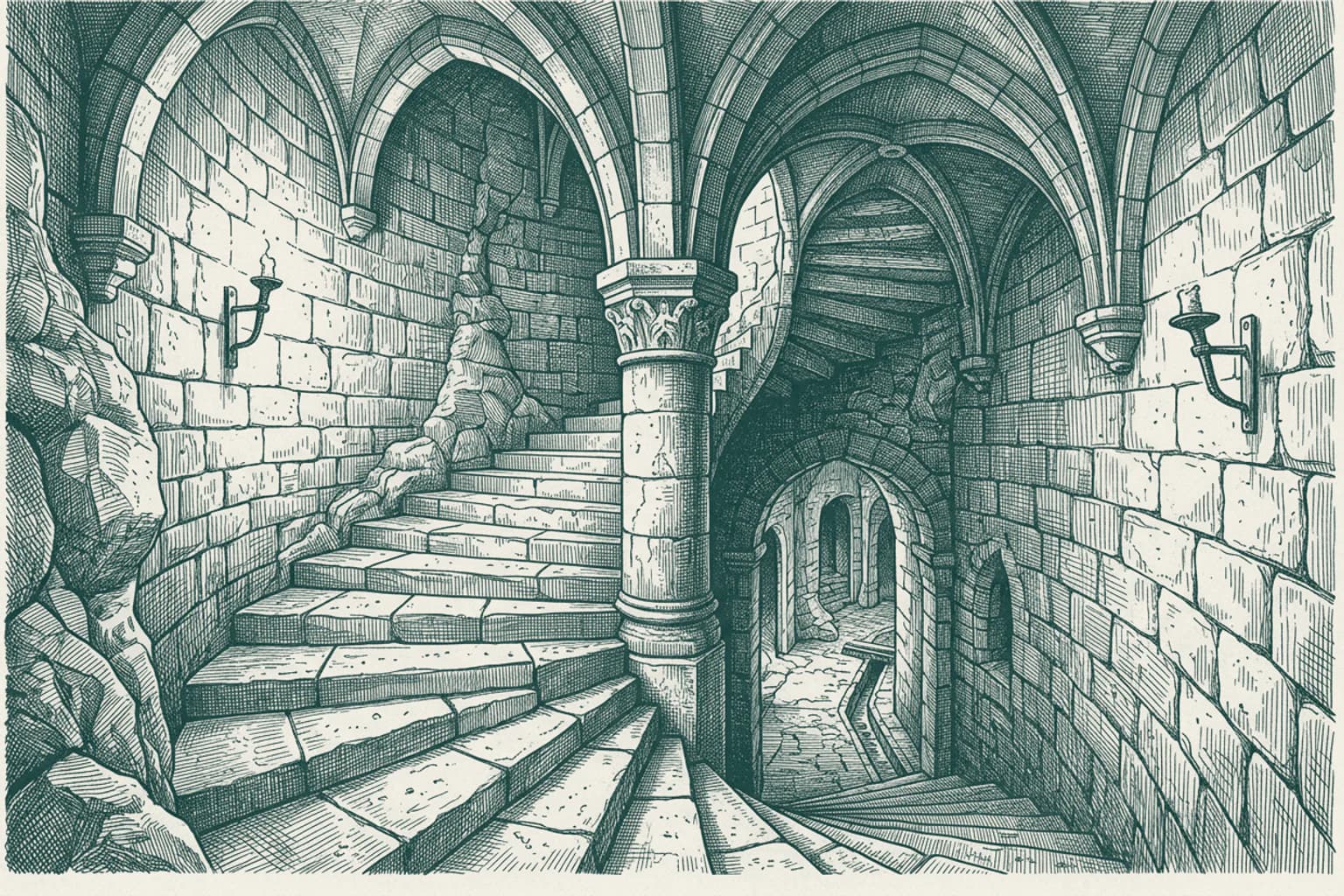
But let us return to our story, where the surface life of Aracena, with its evolving feudal titles and the rising spires of the Priory Church, began to intersect with something far older and more mysterious. For centuries, the townspeople lived their lives on the slopes of the Cerro del Castillo, completely unaware of the vast, hollow cathedral of stone that pulsed beneath their very foundations. While the Counts and Princes debated their jurisdictions and the town grew into a center of influence under the shadow of the thirteenth-century fortifications, a silence reigned in the dark, damp galleries deep within the limestone hill. The transition from the medieval era into the modern age did not disturb these depths, until the late nineteenth century brought a shift in perspective. In 1886, the first historical reference to the existence of the subterranean world appeared, marking the end of its long, absolute isolation. Legend suggests that the discovery was not the work of a scholar or an explorer, but of a simple shepherd who, while searching for a lost pig, stumbled upon an entrance to a realm that defied human imagination. This was no mere cavern; it was a sprawling, intricate network of two thousand one hundred and thirty meters of subterranean passages, filled with mineral formations that had been sculpted by water and time long before the first stone of the Moorish castle was laid. The discovery transformed the local landscape from a purely historical site into a geological wonder. The contrast between the rigid, man-made walls of the fortress above and the fluid, organic beauty of the Grotto of the Marvels below created a dual identity for the town. By 1914, the site was officially opened to the public, becoming the first Spanish cave to invite visitors into its glittering, stalactite-studded corridors. The town, which had spent centuries defining itself by its visibility, by the reach of its church towers and the strength of its castle walls, suddenly found its greatest treasure hidden deep underground. The subterranean lakes and narrow passages became a silent, living counterpoint to the history written in brick and mortar. As the twentieth century progressed, these hidden galleries began to dictate a new rhythm for the municipality, tethering the identity of the people not just to the soil they farmed, but to the ancient, crystalline heart beating beneath the mountain.
- 0613:10
The Living Legacy of Aracena
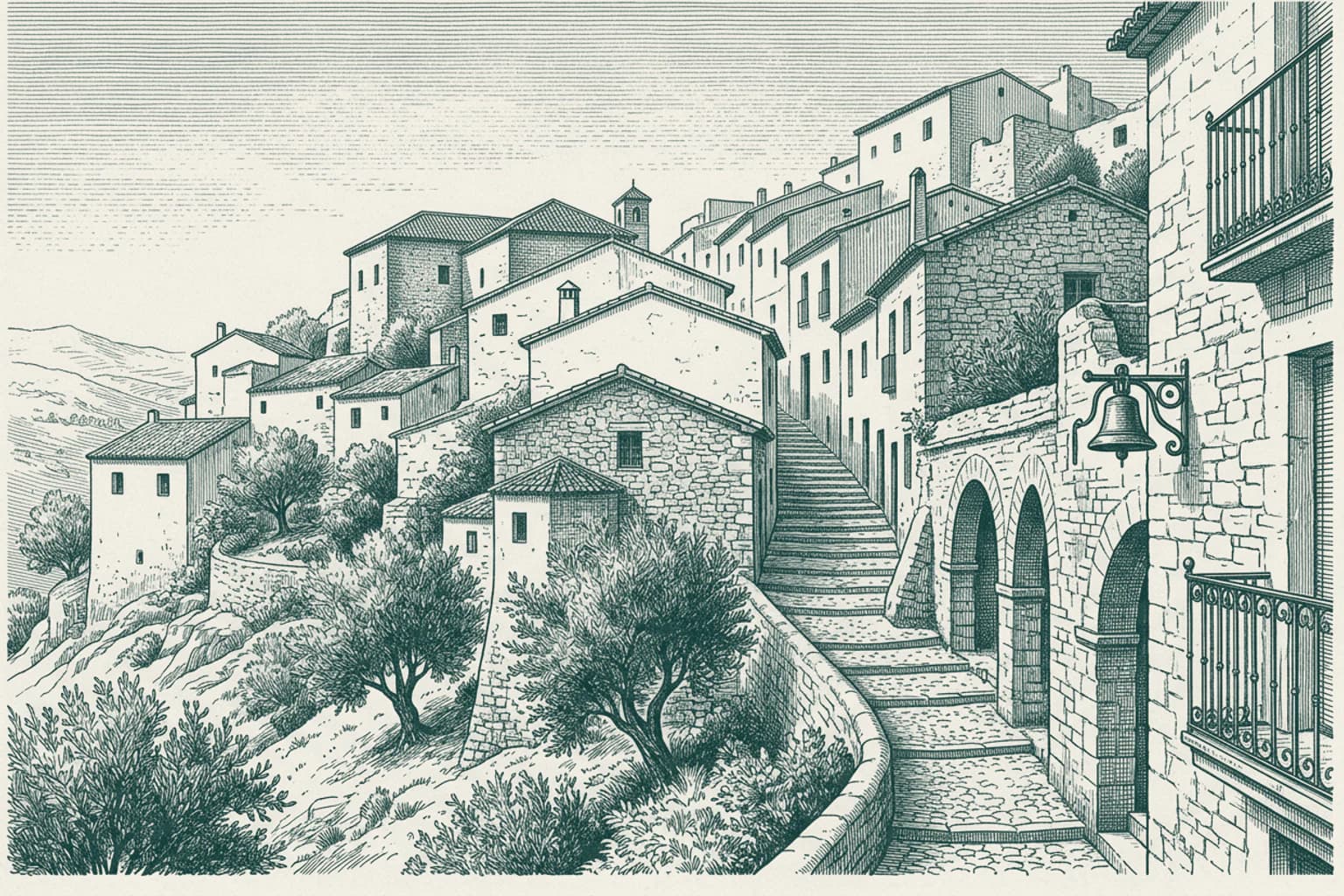
But let us return to our story, where the echoes of medieval stone and the whispers of the earth finally converge. As the twentieth century took hold, the Gruta de las Maravillas ceased to be merely a local curiosity and transformed into the cornerstone of the town's identity. By opening its doors to the public in 1914, Aracena became a pioneer, as this was the first cave system in all of Spain to welcome visitors into its two thousand one hundred and thirty meters of subterranean passages. This geological marvel, which legend suggests was first stumbled upon by a shepherd searching for a stray pig, effectively bridged the gap between the town's ancient history and its modern future. While the castle remains a silent witness to the centuries of Islamic influence, feudal rule under the Count-Duke of Olivares, and the spiritual legacy of the Templars who authorized the construction of the Priory Church, the true pulse of the municipality shifted toward these hidden depths. In 2006, this unique blend of heritage and natural wonder led Aracena to be named a Tourist Municipality of Andalusia, the first in the province of Huelva to achieve such distinction. Today, the town is a thriving community of over eight thousand inhabitants, still cradled by the Sierra Morena system. The narrative continues to expand, quite literally, as evidenced by the 2025 opening of a new geological museum on the slopes of the castle hill, featuring Europe's largest dark exhibition hall for fluorescent minerals. From the thirteenth-century walls that once divided the interior of the citadel, to the intricate, mineral-rich chambers that lie beneath the streets, the town has successfully woven its disparate layers into a single, cohesive story. You are arriving at a place where the history of the surface, defined by the Priory Church and the ruins of the castle keep, is perfectly balanced by the enduring mystery of the earth below. The legacy of the land and the ingenuity of its people are etched into every corner of this landscape, and it is precisely there that you are now heading.
- 0713:10
The enduring spirit of Seville
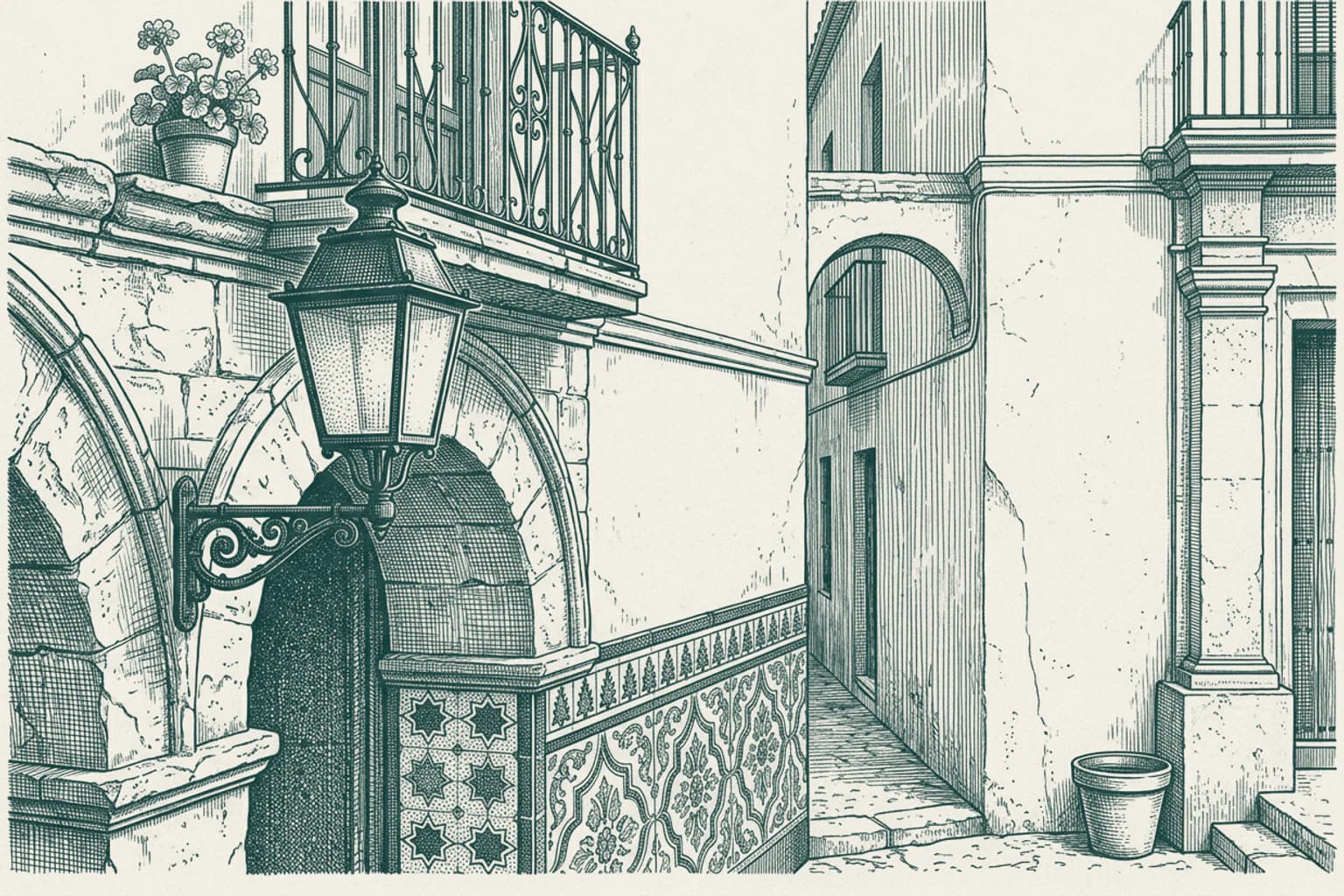
As you pull away from the historic streets of Seville, the city begins to dissolve into the horizon, leaving behind the weight of its complex history. This is a place that has been defined by its resilience and its deep connection to those who helped shape its identity. One figure who remains central to the city's intellectual life is the Spanish-Peruvian politician Pablo de Olavide, who lived from 1725 to 1803. He was not merely a statesman but a visionary who played a notable role in the planning and development of Seville, leaving a legacy that still resonates in the modern landscape. Today, his name marks the public university founded in 1997, an institution that stands as a testament to the city's commitment to growth and education, now serving over ten thousand students. The university campus itself has become a landmark, connected to the urban fabric by a metro station that bears his name. It is a striking contrast to see the modern infrastructure, like the elevated metro station opened in 2009, rising near the areas that Olavide once helped conceive. Seville has always been a city of layers, from its ancient origins as the Roman Hispalis and its time as Ishbiliyah, to its role as the gateway for the Spanish Empire. The motto of the city, NO8DO, reflects this enduring bond between the place and its people. It is a rebus representing the phrase, She has not abandoned me, a sentiment rooted in the legend of King Alfonso X, who found refuge in the city when his own son sought to usurp his throne. That spirit of loyalty and persistence is what truly anchors the city. Whether you look at the grand history of the Alcázar or the quiet expansion of its educational institutions, the identity of Seville is constantly being reimagined while remaining firmly tied to its past. As the road stretches out before you and the city fades into the distance, carry with you the memory of a place that has been built, rebuilt, and cherished through the centuries. May the miles ahead be smooth and your journey be filled with quiet reflection as you leave this storied heart of Andalusia behind.
- 08Seville, Sevilla · 13:14
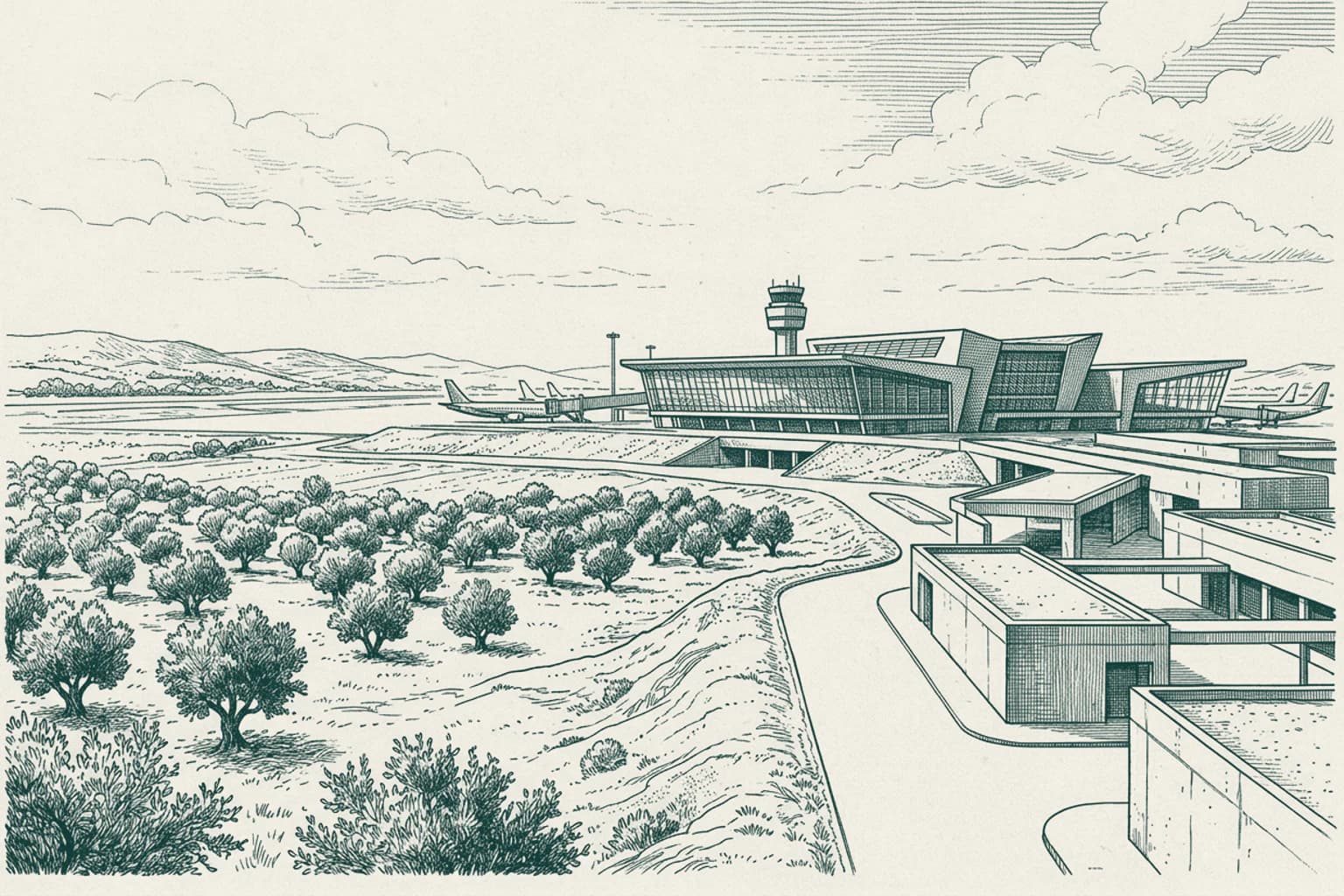
Seville, Sevilla Seville Airport and San Pablo
As you pass by the outskirts of Seville, you are nearing the San Pablo Airport, the primary gateway for Western Andalusia. While today it serves millions of passengers annually, its name honors the historical significance of the surrounding district. The facility is strategically located ten kilometers from the city center, marking a distinct boundary between the urban sprawl of Seville and the wider plains. It serves as a vital hub for international travel, connecting this region to dozens of destinations across Europe and Northern Africa. The site is officially distinguished from the much older Tablada Aerodrome, which once held a prominent role in the city's early aviation history. Modern travelers now rely on this infrastructure as a base for major carriers, overlooking the vast landscape that once defined the approach to this historic capital.
- 09Seville, Sevilla · 13:16
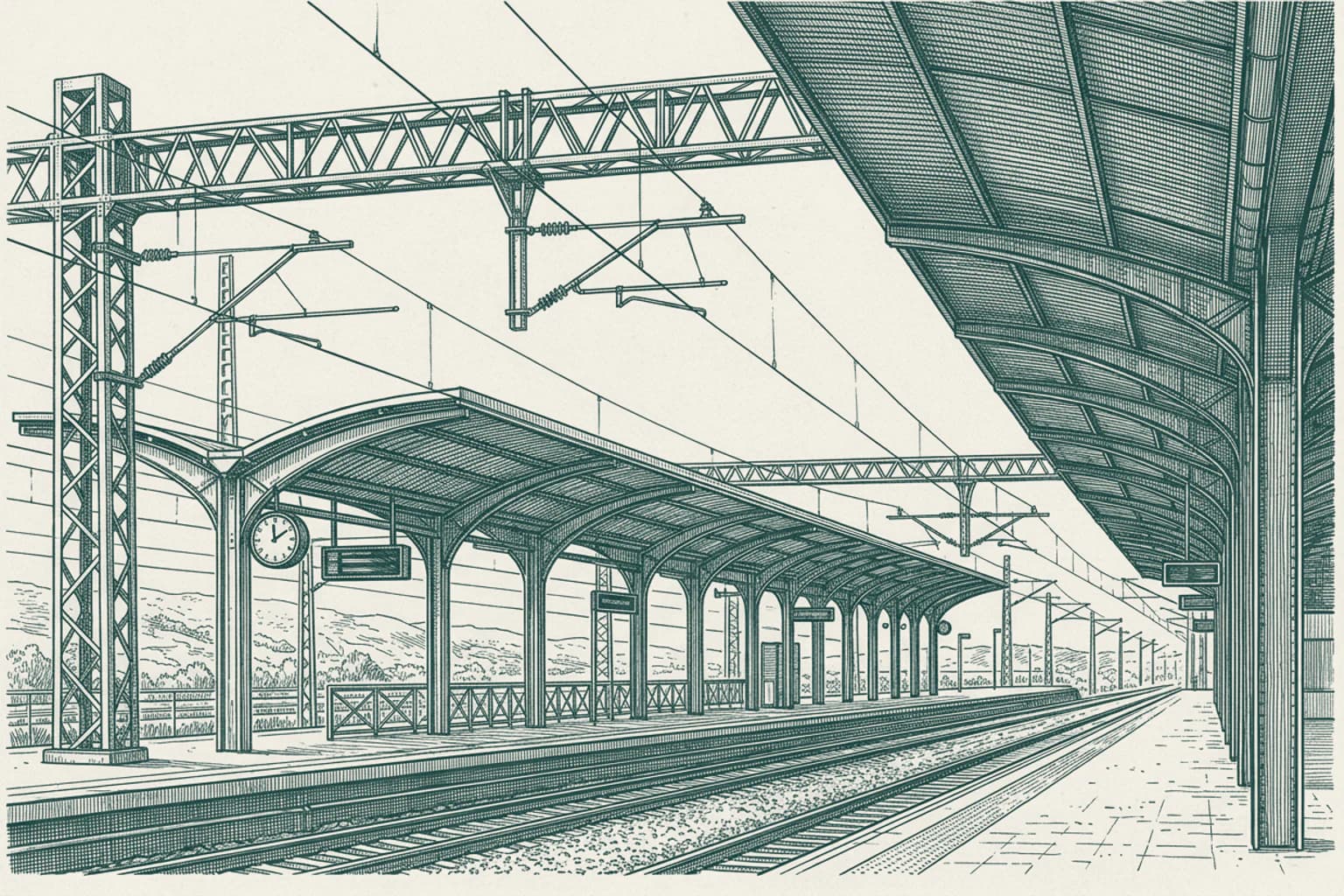
Seville, Sevilla The Transit Hubs of Seville
As we move through the eastern reaches of Seville, the landscape shifts toward the modern infrastructure that keeps this city connected to the world. We are passing through the neighborhood of Sevilla Este, home to the Palacio de Congresos railway station. This elevated structure serves as a vital artery for the local suburban train line, bridging the urban fabric between the historic center and the outer districts. Not far from here, beneath the surface in the Parque Amate, lies the Amate metro station. Opened in 2009, it represents a significant engineering effort to integrate the metropolitan outskirts into the daily flow of city life. These stations stand as markers of a contemporary Seville that balances its deep-rooted heritage with the practical demands of a bustling, modern European capital.
- 10Seville, Sevilla · 13:21
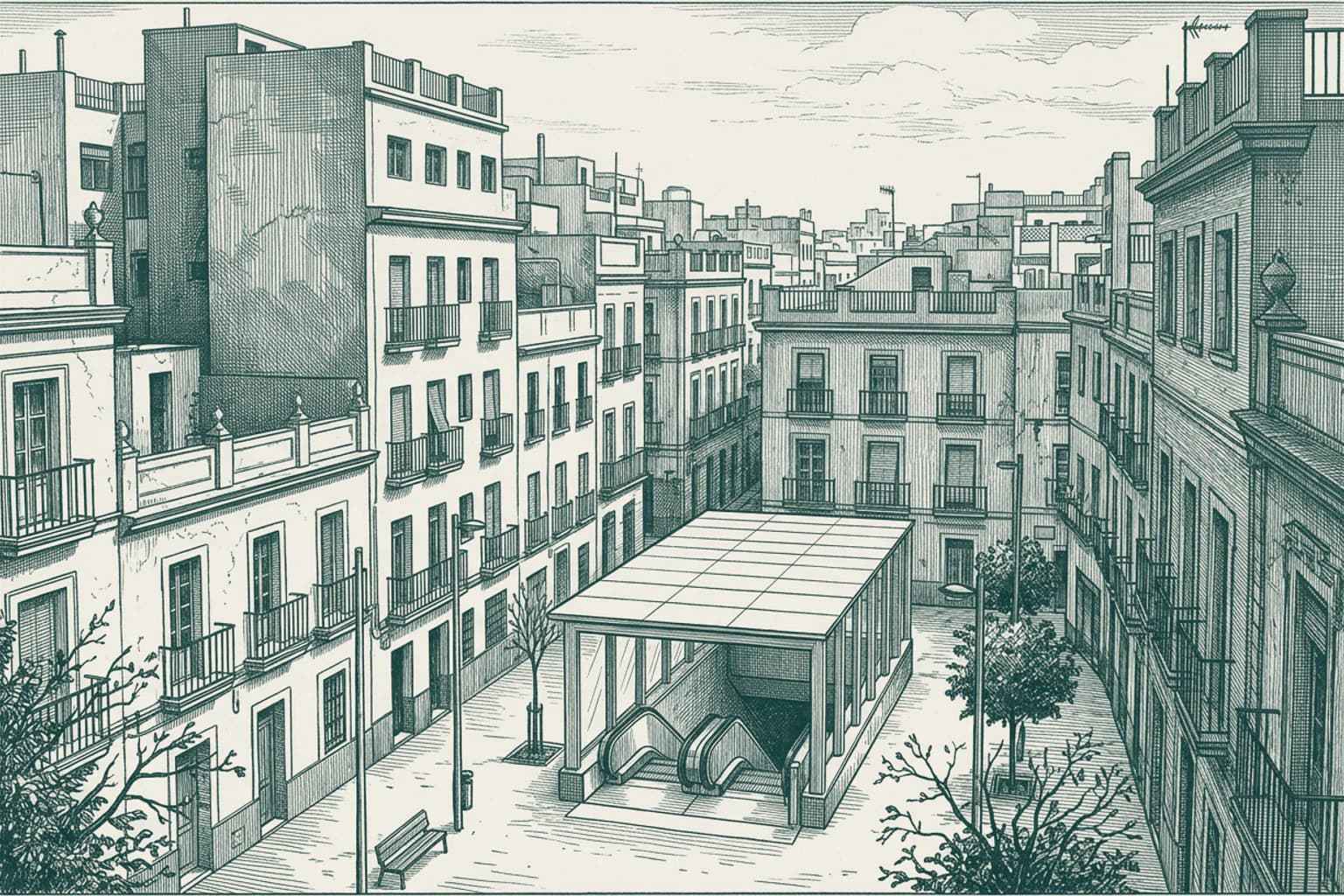
Seville, Sevilla The Parque Amate District
Beneath the surface of the Parque Amate neighborhood, the transit lines trace the modern development of this eastern sector of Seville. The area is defined by the intersection of Los Gavilanes Avenue and Puerto del Escudo Street, a junction that serves as a central artery for residents moving through this dense urban landscape. Architects designed these subterranean stations to integrate the residential fabric of the district with the broader city network, replacing older, disconnected routes with efficient infrastructure. The local topography here is characterized by the expansive green space of the park itself, which provides a natural counterpoint to the underground transit tunnels. This neighborhood evolved through careful planning to accommodate a growing population, turning what was once peripheral land into a connected urban hub. The transit development reflects the ongoing shift in how Seville manages its daily flow of commuters.
- 11Seville, Sevilla · 13:25
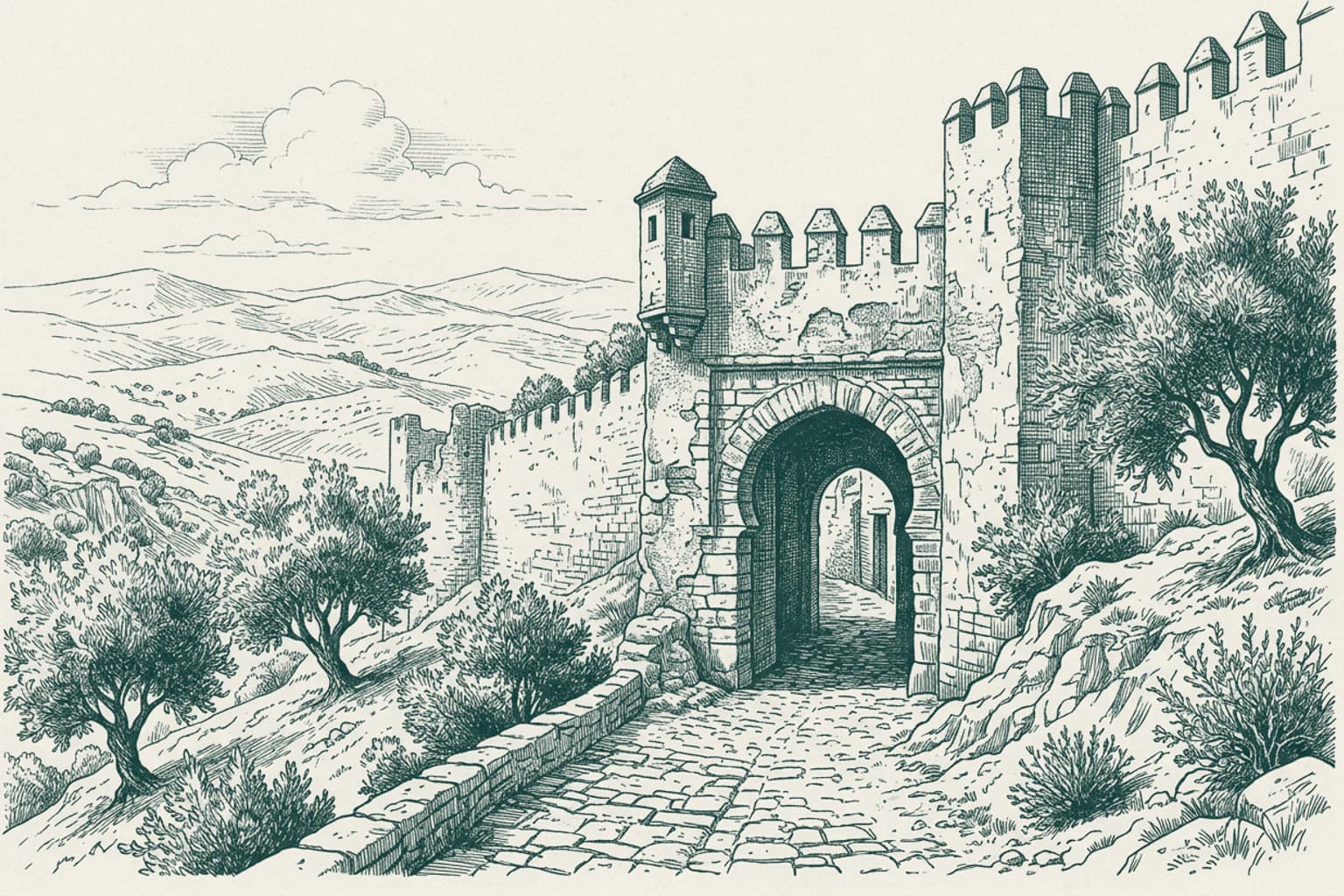
Seville, Sevilla The Historic Walls of Seville
As we move through the city, the remnants of the ancient defensive walls emerge, marking the boundary of the old town. These stone fortifications have witnessed centuries of change, originating in the Roman period and evolving through the Visigoth, Islamic, and Castilian eras. While much of the structure was dismantled following the revolution of 1868, segments still stand firm near the Alcázar and within the Macarena barrio. Originally, these walls were pierced by eighteen access points, including the iconic Puerta de la Macarena and the Postigo del Aceite, which served as vital gateways for those entering the city. Today, these surviving curtains of stone remain as quiet witnesses to the complex layers of history that have shaped the urban fabric of Seville.
- 12Seville, Sevilla · 13:27
Seville, Sevilla The Monastery of San Jerónimo
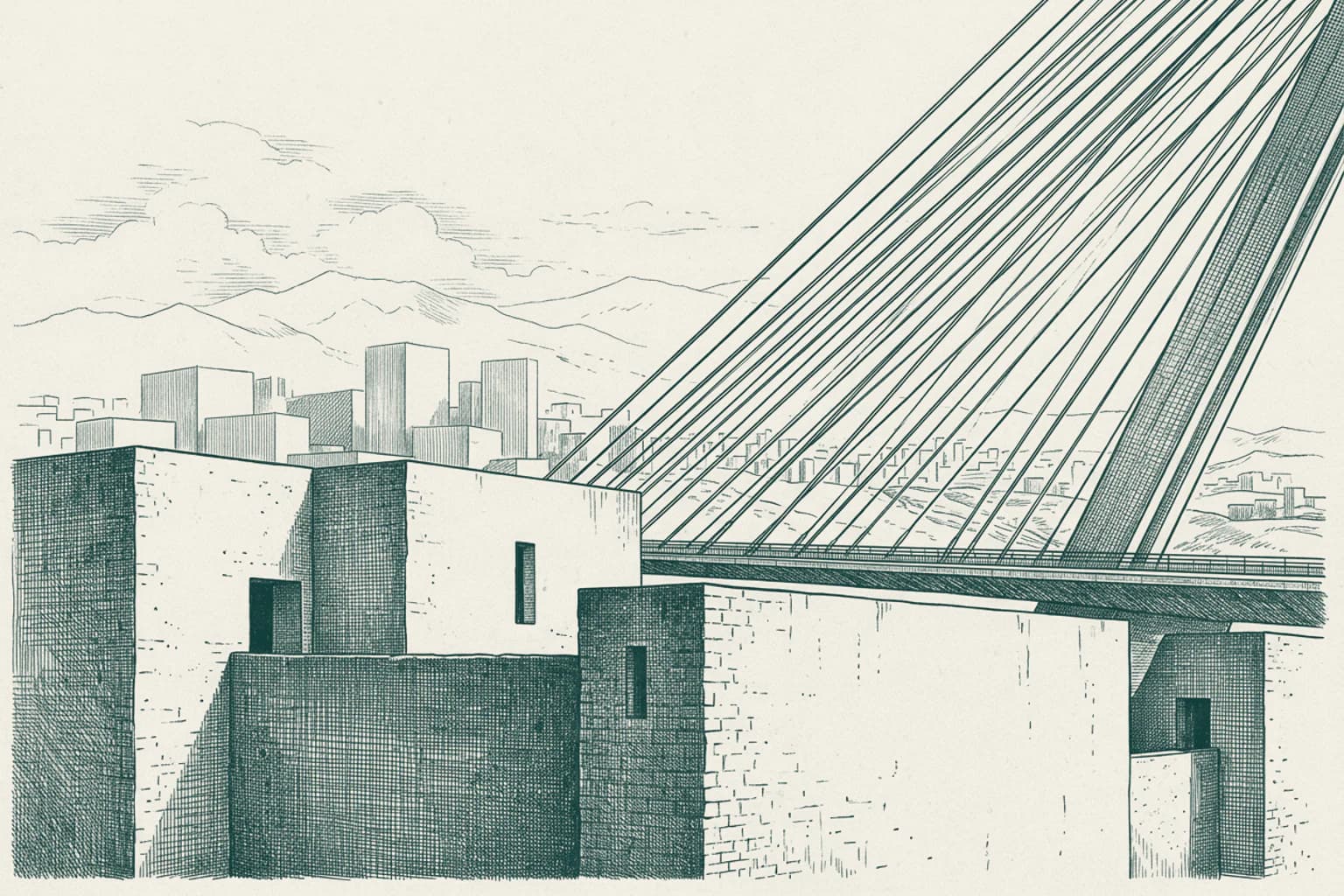
In the San Jerónimo neighborhood stands a former monastery with a history spanning six centuries. Founded in 1414 by Father Diego Martínez de Medina, the site once served as a place of monastic seclusion. Over time, its purpose shifted through the hands of private owners before the Seville City Council acquired the structure in 1984. Today, it functions as a neighborhood civic center, preserving its architectural legacy while serving the modern community. Nearby, the landscape of Seville showcases the evolution of infrastructure, exemplified by the Alamillo Bridge. Designed by Santiago Calatrava for the 1992 Expo, this bridge spans the Canal de Alfonso XIII to connect the city with the La Cartuja peninsula. The structure remains a distinct landmark, representing the transition from the historic foundations of monastic life to the bold engineering projects that define the contemporary skyline.
- 13Seville, Sevilla · 13:29
Seville, Sevilla The San Pablo Sports Arena
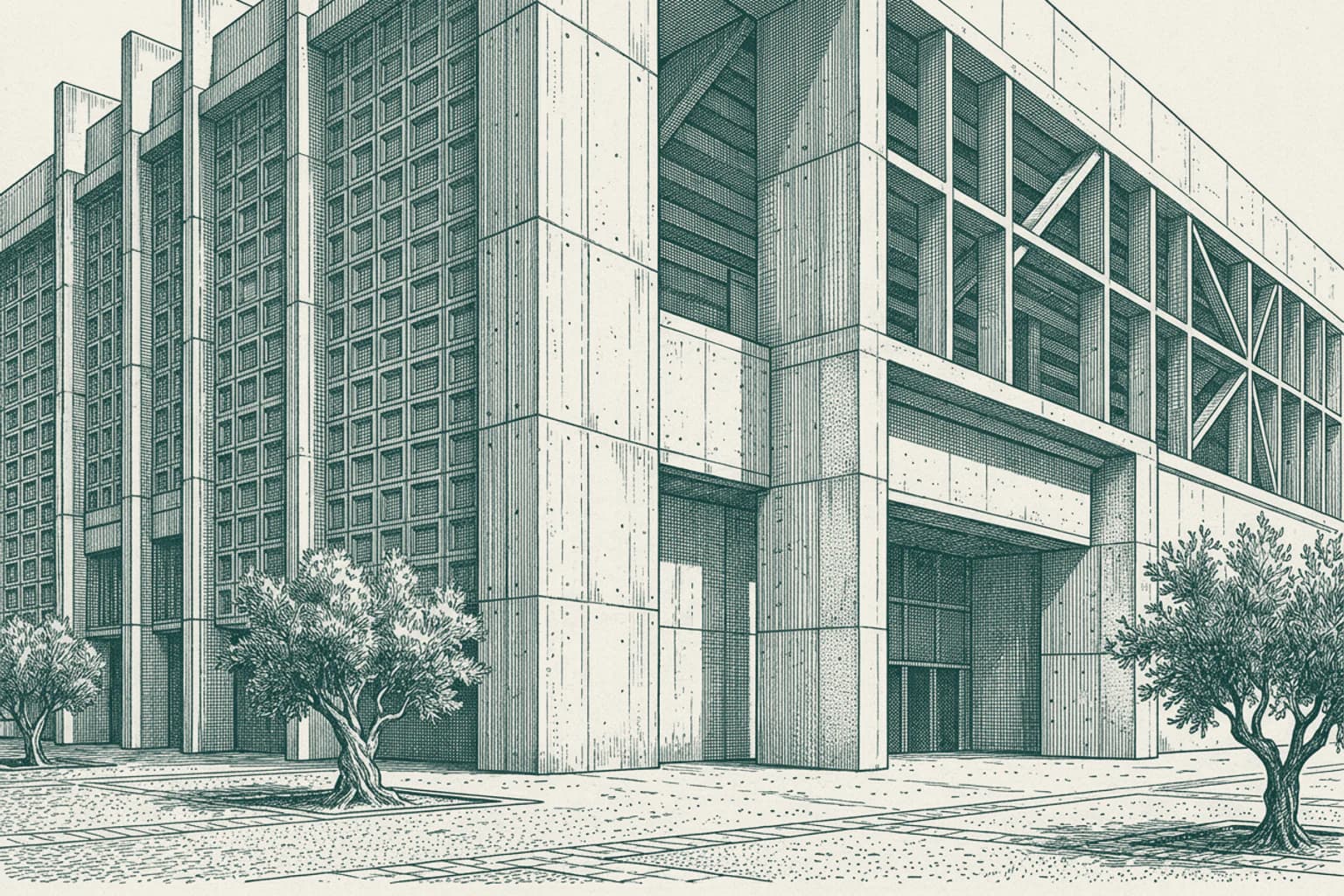
Standing as a prominent landmark in the landscape of Seville, the Palacio Municipal de Deportes San Pablo reflects the city's shift toward modern multipurpose infrastructure. Designed to accommodate thousands of spectators, this arena serves as the home court for the local basketball team, CB Sevilla. Its construction in the late eighties signaled a new era for local athletics, transforming the neighborhood into a hub for indoor sports and large-scale public gatherings. The scale of the building dominates the immediate area, providing a stark contrast to the historical monastic sites located nearby. While the city is often defined by its ancient walls and religious architecture, this facility represents the contemporary chapter of Seville, where the roar of a crowd replaces the silence of the past.
- 14Seville, Sevilla · 13:31
Seville, Sevilla The Andalusian Parliament Building
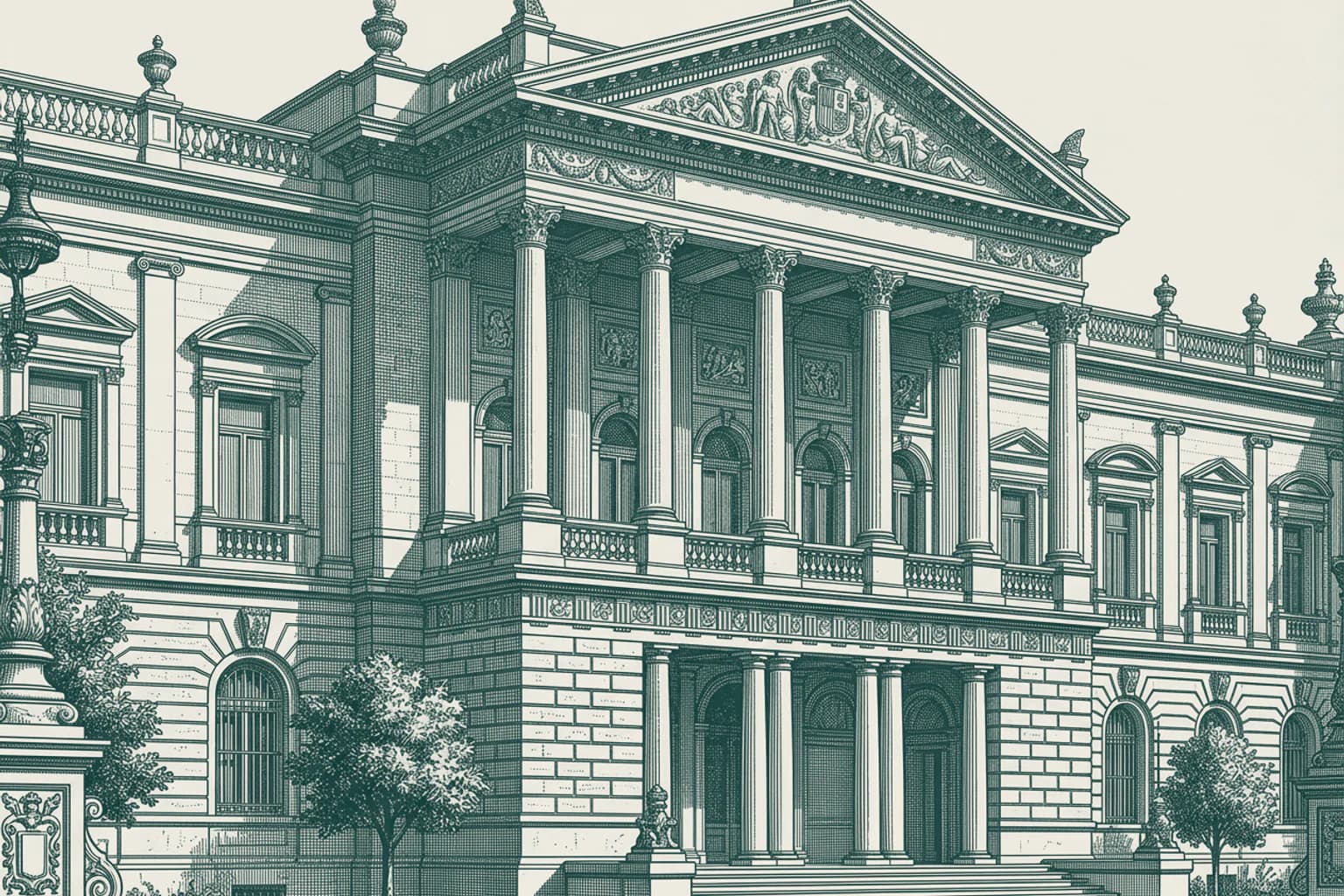
Standing as the legislative heart of the region, the Parliament of Andalusia occupies a building with a storied past. It serves as the seat of the regional government, established following the Andalusian Charter of Autonomy in 1981. The institution represents the democratic will of the residents who elect their representatives every four years. Its halls are where the modern political life of the autonomous community is shaped, providing a stark contrast to the ancient monastic surroundings nearby. The structure functions as the primary forum for debate and the creation of laws that govern the daily lives of millions across the southern lands of Spain. It remains a focal point of governance where legislative decisions are finalized.
- 15Seville, Sevilla · 13:34
Seville, Sevilla The San Fernando Cemetery
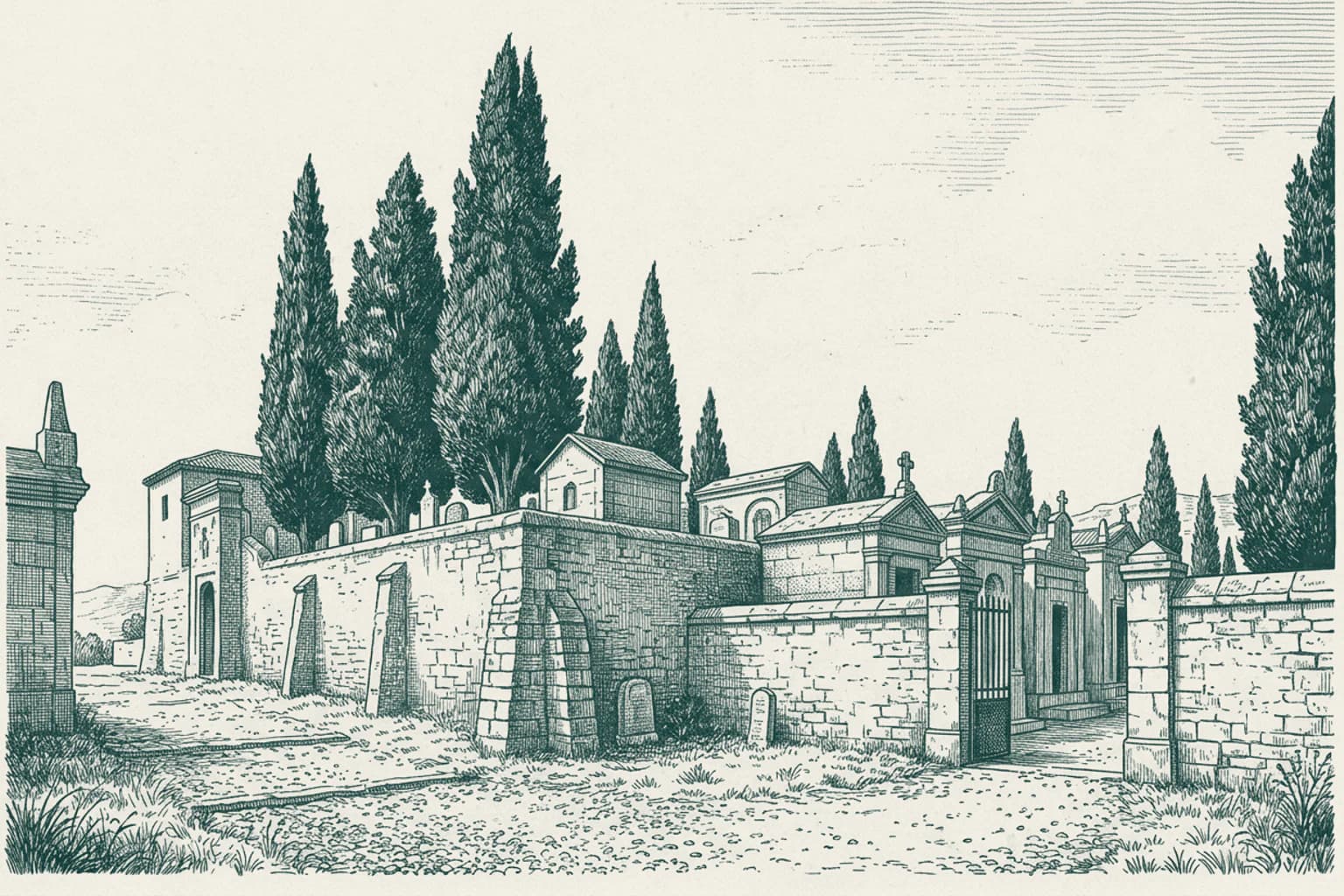
North of the city center, nestled within the San Jerónimo district, lies the Cemetery of San Fernando. Established in 1852, this site serves as the primary municipal burial ground for Seville. Spanning twenty-eight hectares, it stands as one of the most prominent cemeteries in Spain, reflecting the city's approach to memorializing its residents over the last two centuries. The grounds are laid out with a deliberate sense of order, contrasting with the dense urban fabric of the surrounding neighborhoods. This space functions as a quiet repository of the city's past, where generations of Sevillians are laid to rest within the walls of the sprawling complex. It remains a significant landmark that marks the northern edge of the municipal landscape.
- 16Camas, Sevilla · 13:38
Camas, Sevilla The Hidden Riches of Camas
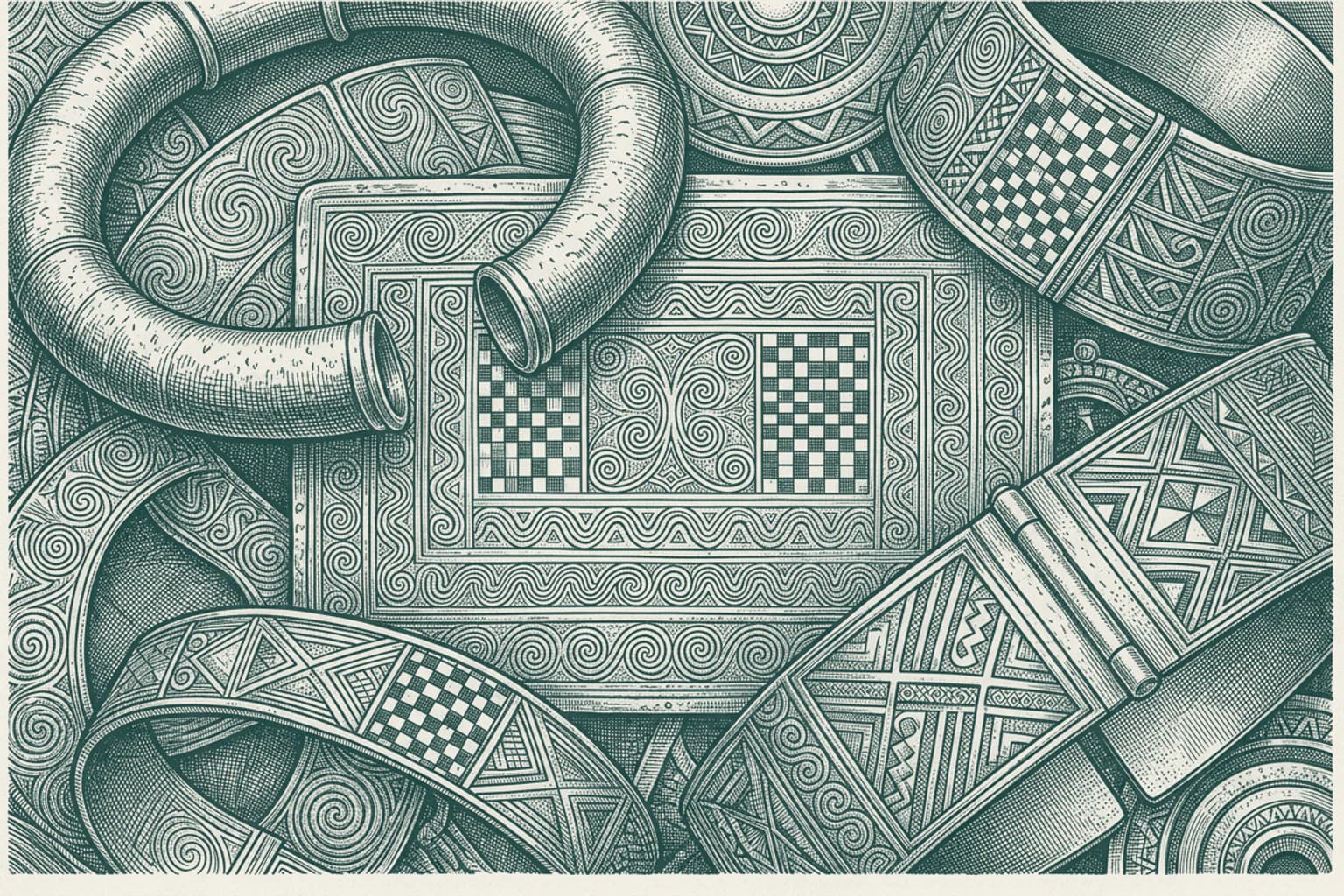
As we pass through the hills of Camas, we tread upon ground that once held a profound secret. It was here, on a late September afternoon in 1958, that construction workers unexpectedly unearthed the Treasure of El Carambolo. This remarkable hoard of gold jewelry, adorned with delicate geometric patterns, sparked a firestorm of historical debate that continues today. Scholars have long puzzled over whether these intricate pieces were the masterwork of the enigmatic Tartessos culture, which flourished between the ninth and sixth centuries before our era, or if they were brought to these shores by Phoenician traders. For many years, the original gold remained locked away in a safe, while visitors could only admire a replica. Now, the Archeological Museum of Seville finally presents the true brilliance of these ancient artifacts to the public.
- 17Guillena, Sevilla · 13:47
Guillena, Sevilla The Royal Legacy of Guillena
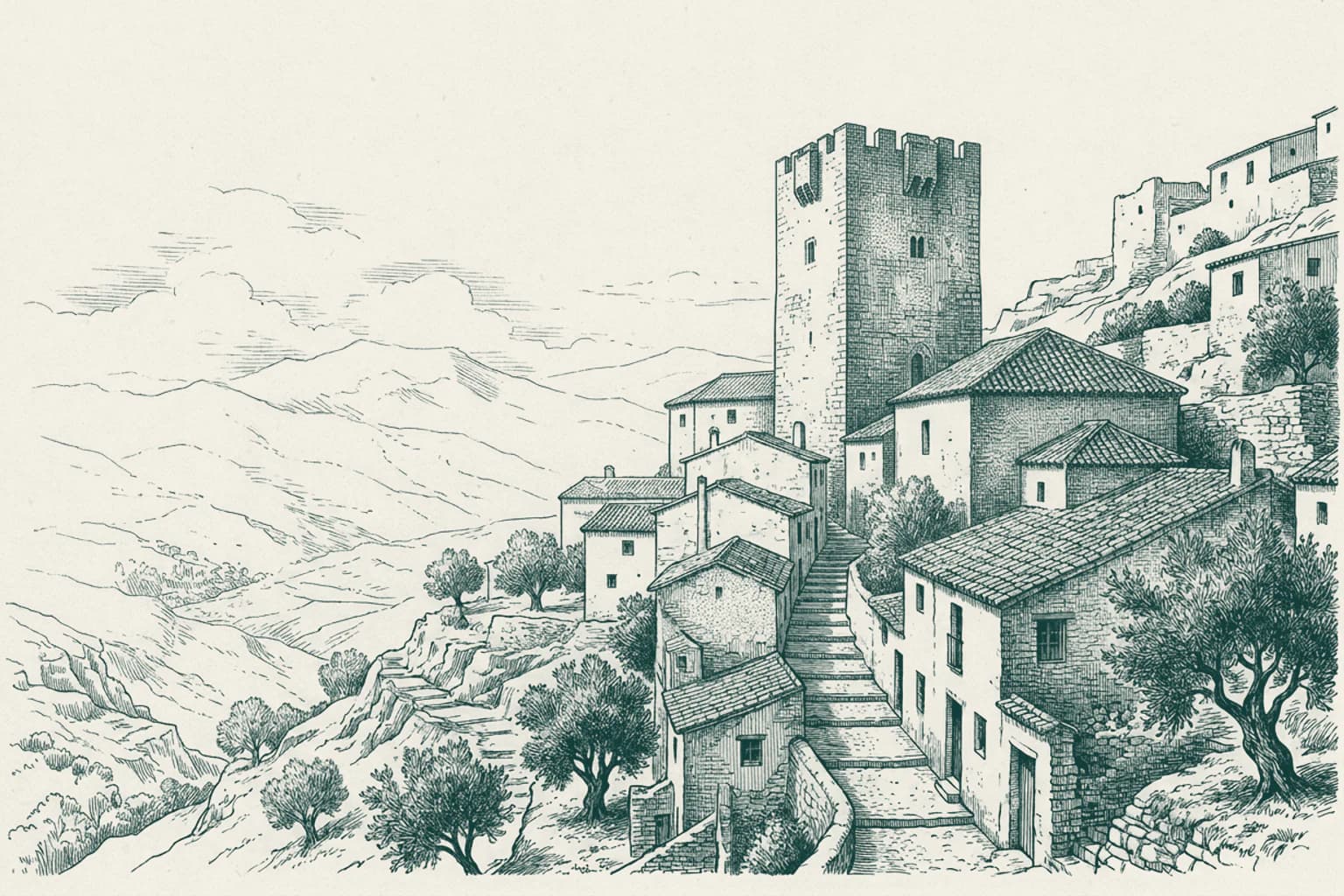
As we approach the lands of Guillena, the landscape is marked by the Cortijo Torre de la Reina. This medieval fortified estate holds a rare distinction as the only country property in Spain of 13th-century origin designated as a National Historic-Artistic Monument. The site derives its name from Maria de Molina, the formidable Queen of Castile, who held the estate in her possession during the late 13th and early 14th centuries. Her influence on the region left a lasting imprint on the local identity. While the modern hamlet surrounding the estate was established as a newer settlement in the 1950s, the fortification itself remains a silent witness to the era when the territory was central to the shifting borders of the medieval kingdom. The stone walls stand as a testament to the strategic importance this fertile land held for the Castilian crown.
- 18El Garrobo, Sevilla · 13:52
El Garrobo, Sevilla The Quiet Life of El Garrobo
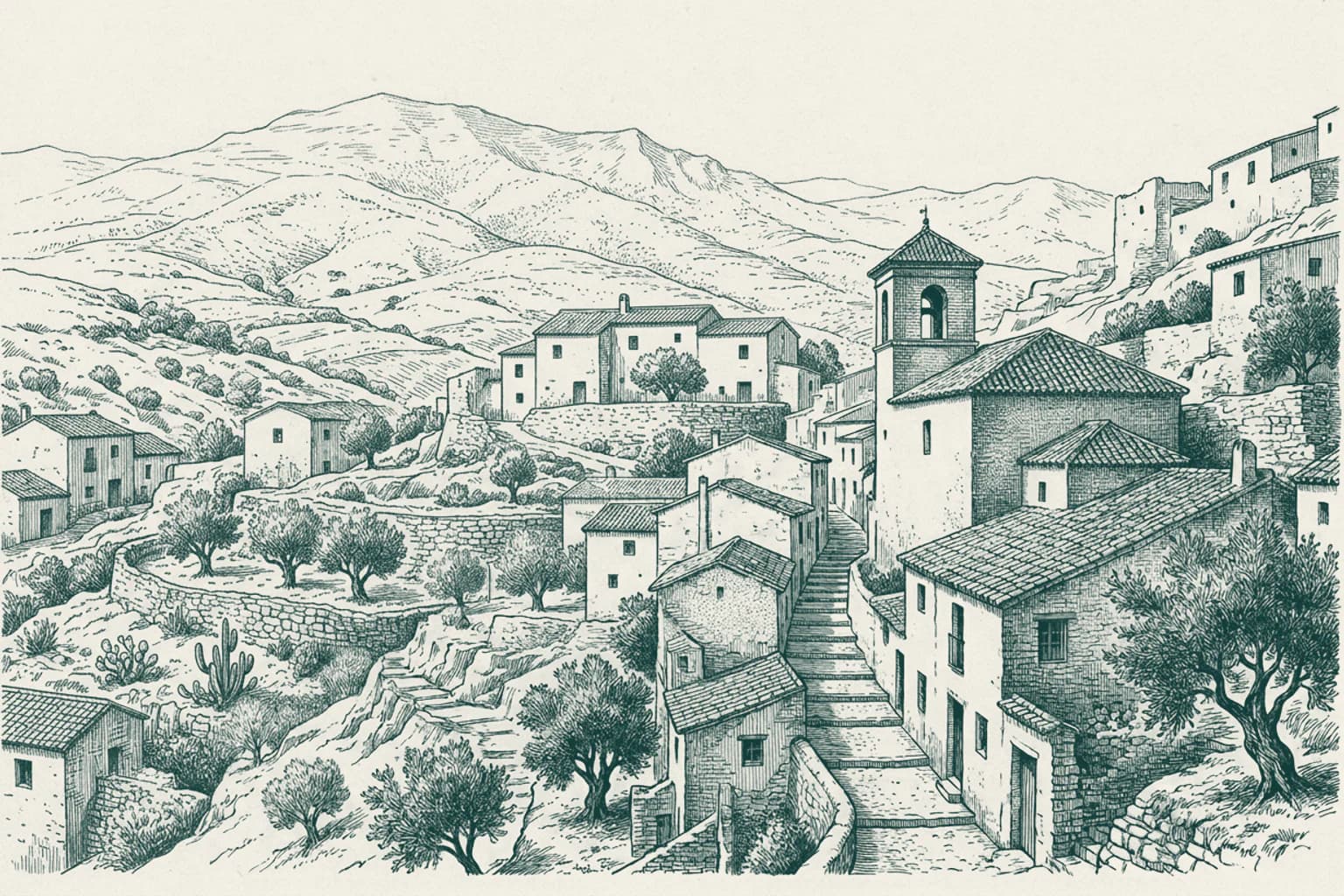
As we travel through the province of Seville, the landscape shifts toward the modest settlement of El Garrobo. This small town maintains a quiet existence nestled within the Andalusian countryside, far removed from the bustle of the major urban centers. Its character is defined by the steady rhythm of its few hundred residents, who have long occupied this stretch of land between the rolling hills. The settlement serves as a reminder of the smaller hubs that anchor the regional geography, existing as a distinct community with its own pace and local identity. The surrounding terrain reflects the rugged nature of the region, where the dry earth and sparse vegetation have shaped the way people have built their homes and organized their daily lives for generations.