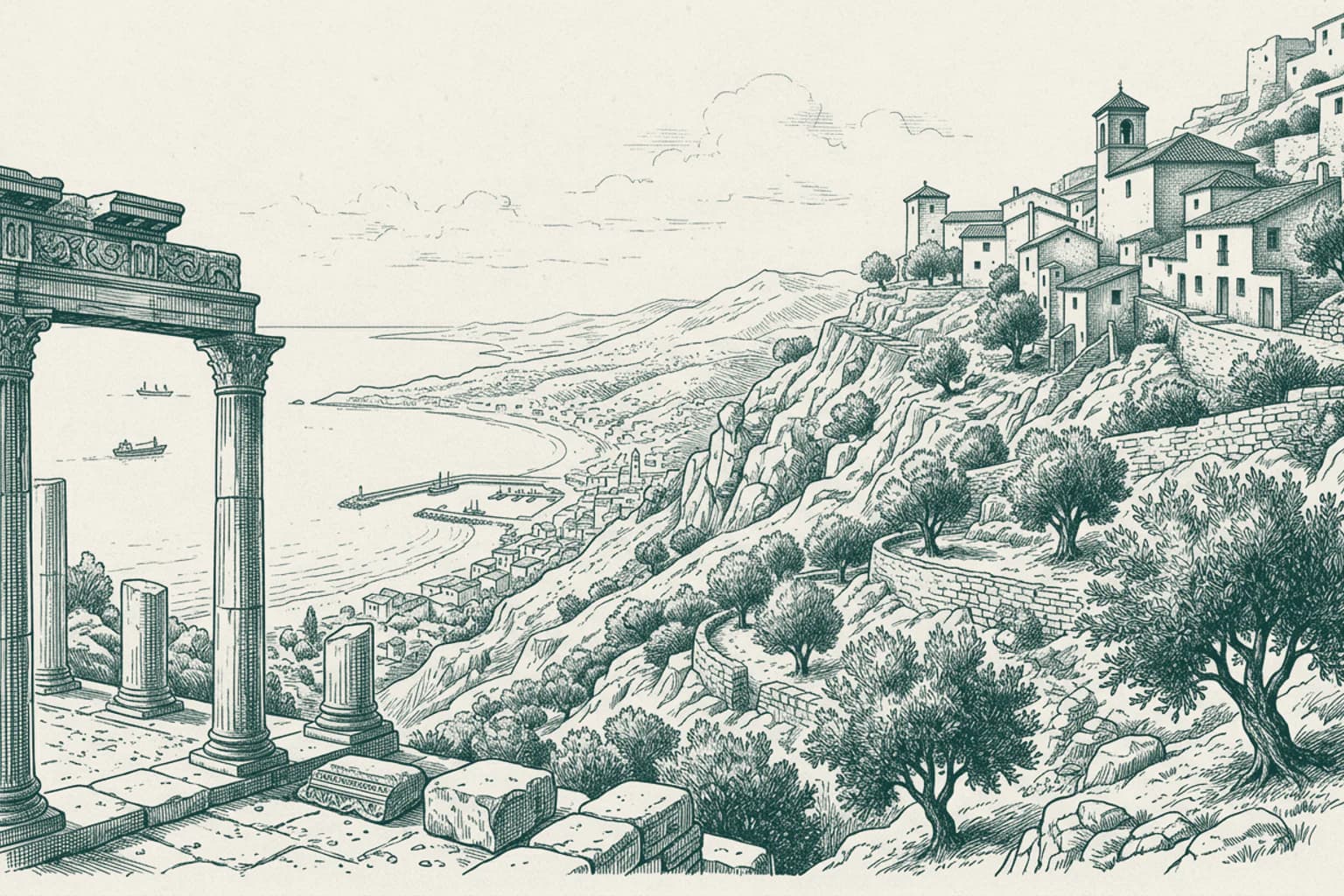
The strategic echoes of Mijas
EN- 01Mijas, Málaga · 09:44
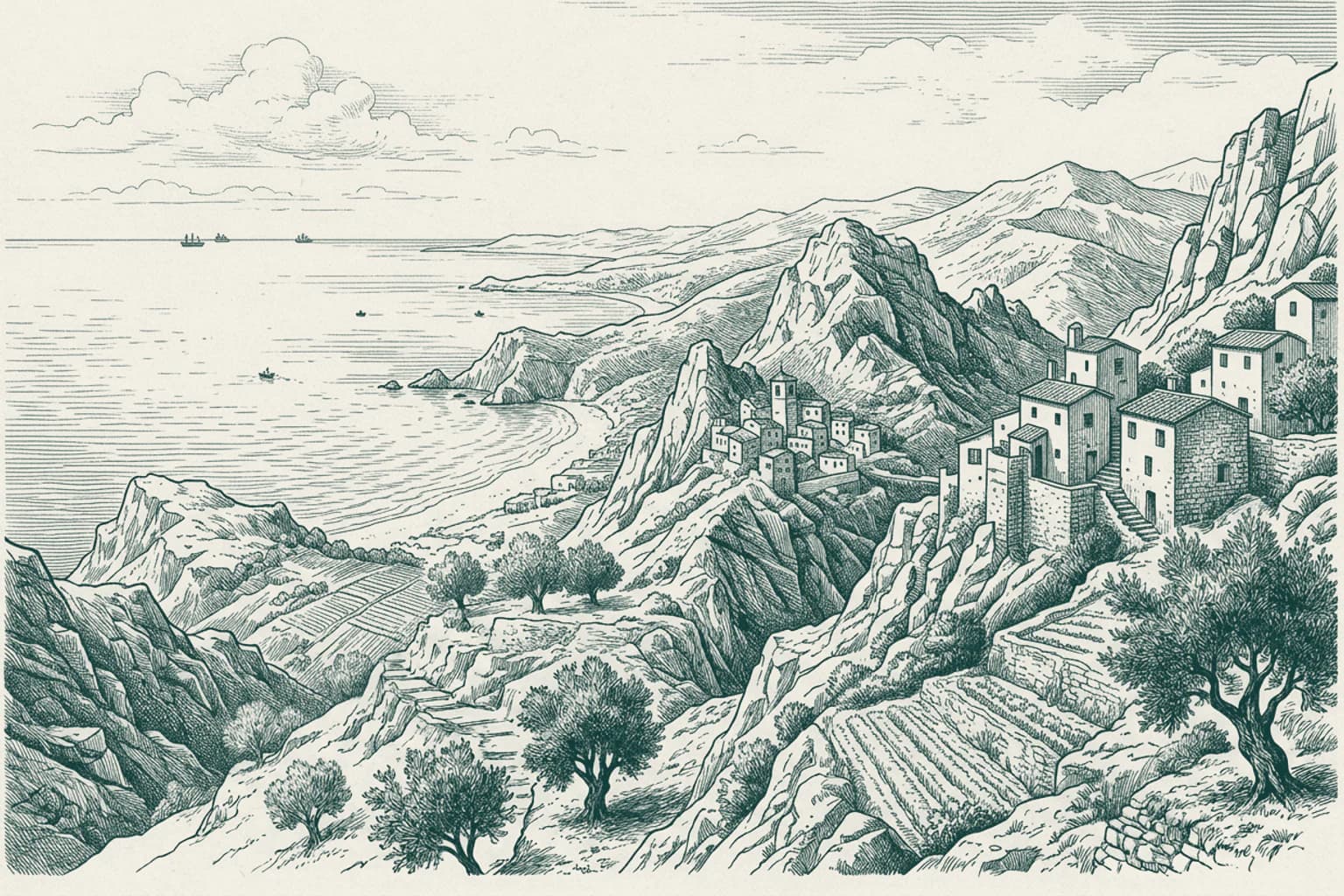
Mijas, Málaga The strategic echoes of Mijas
It is a pleasure to find you traveling this familiar route once more. Beyond the serene coastline of Sitio de Calahonda, the landscape holds the memory of a significant military confrontation during the Peninsular War. In 1810, the area surrounding the nearby town became a theater for a notable clash between local forces and invading troops. This engagement serves as a stark reminder of how these coastal corridors were once contested zones, shifting from tranquil Mediterranean vistas to strategic points of defense. The rugged terrain provided the necessary cover for those who stood their ground against the expansion of the French Empire. These hills and shores remain a testament to the resilience of those who defended their territory during a time of immense political upheaval in Andalusia.
- 0209:45
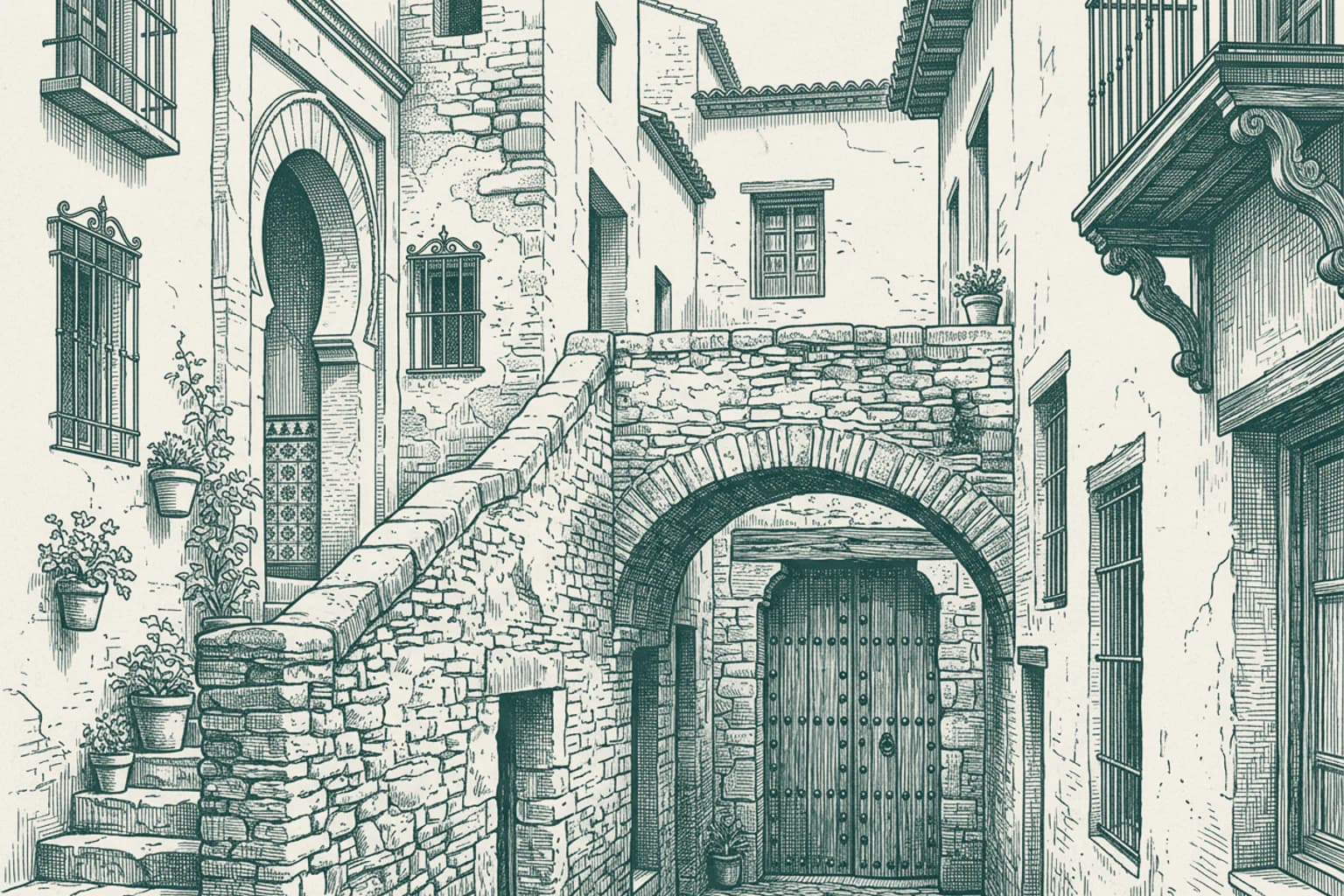
Historical Echoes of Andalusia
As you travel through the vast landscape of Andalusia, the road beneath your wheels serves as a silent bridge between worlds that share a common, deep-rooted history. To the south, nestled on the mountainside of the Costa del Sol, lies Mijas, a place whose story began with the ancient Tartessians and evolved through the influence of Phoenicians, Greeks, and Romans, who knew it as Tamisa. Its transformation into the village we recognize today was shaped by the Moors, who held this territory for centuries before the tides of the Reconquista changed the face of the region forever. In 1487, the fate of Mijas became inextricably linked to the broader military campaigns of the Catholic monarchs during the siege of Málaga. The fall of that coastal city marked a turning point, leading to a period where the village would eventually earn the title of Very Loyal for its steadfastness during the internal struggles of the Spanish crown. While the residents of Mijas spent the following centuries building watchtowers to defend against pirates and developing industries like paper-making to supply the raisin wrappers used in nearby Málaga, the great city of Seville was carving out a different destiny along the banks of the Guadalquivir. Seville, the capital of Andalusia, rose to become a monumental center of the Spanish Empire. While Mijas looked toward the sea, Seville became the repository of the world, housing the General Archive of the Indies in a building designed by Juan de Herrera. Both locations bear the indelible marks of the Moorish era; just as the Moors shortened the name of Tamisa to Mixa, they left behind the Giralda in Seville, a minaret that stands as one of the most refined symbols of their architectural legacy. The paths of these two places are stories of separate growth within the same historical theater. Mijas remained a resilient hillside villa, defined by its agricultural roots and its proximity to the Mediterranean, while Seville grew into a grand hub of baroque art and imperial administration, guarded by its own majestic Alcázar and cathedral. Today, as you traverse this road, you are moving through a landscape where the remnants of prehistoric settlements, the strategic fortifications of the middle ages, and the architectural triumphs of the Renaissance all coexist, reminding us that every kilometer of this land is layered with the persistence of those who came before.
- 0309:45
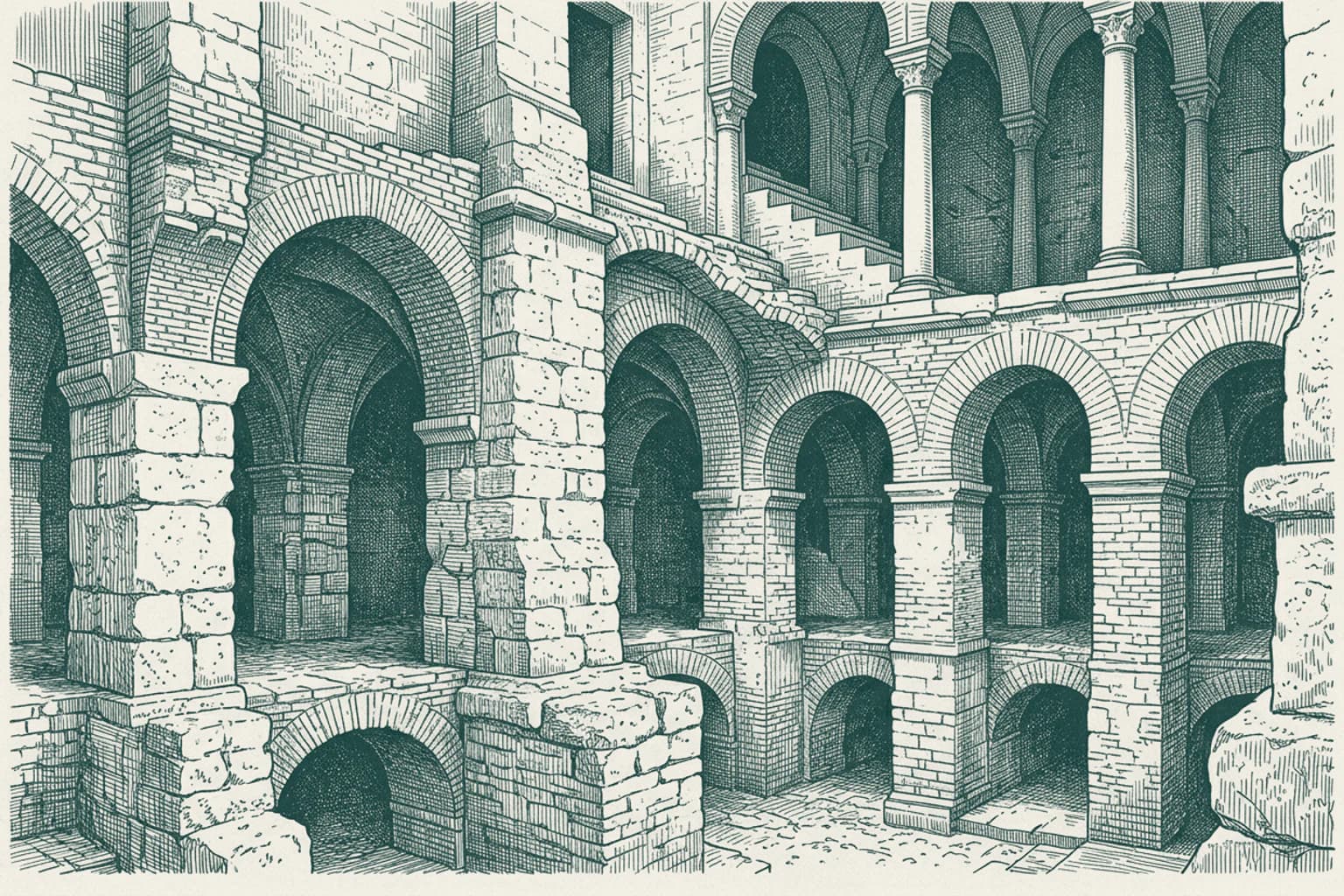
The Foundations of Seville
Seville stands on the lower reaches of the Guadalquivir River as the heart of Andalusia. It is a city of layers, where the dust of centuries rests beneath the bustling modern life of its six hundred eighty-six thousand residents. As you approach this historic capital, you enter a space that has served as the stage for the rise and fall of empires, a place where the architecture itself acts as a silent witness to the profound shifts in power that shaped the Iberian Peninsula. The stakes of this city were always high, for to control Seville was to command a gateway to the wider world. The skyline you are about to see is dominated by the Giralda, a structure that began its life in the Middle Ages as the minaret for the Great Mosque of Seville during the era of the Almohad dynasty. It stands as a testament to a time when Islamic architecture defined the aesthetic of the region. Yet, the story of this tower is one of transformation. Following the expulsion of the Muslims, the Catholic monarchs claimed the site, adding a Renaissance-style belfry that forever altered its silhouette and purpose. This single monument encapsulates the central tension of the city, where the remnants of the past are constantly being repurposed, integrated, and layered into the present. This is not merely a collection of buildings, but a living archive of human ambition. The old town, covering four square kilometres, holds within it a UNESCO World Heritage complex that includes the Alcazar palace, the Cathedral, and the General Archive of the Indies. The latter, inaugurated by Charles III in 1785 and housed in a structure designed by Juan de Herrera, serves as the repository for the entire history of the Spanish Empire in the Americas and Asia. These walls hold the paper trail of global discovery and colonial expansion. While the city celebrates its grand history, it also holds the quiet legacies of individuals like the poet Jose Maria Blanco White, who was born here in 1775 and dedicated his life to combating intolerance. From the baroque sculptures within the Hospital de la Caridad, founded in 1674, to the contemporary wooden structure of the Metropol Parasol completed in 2011, the city remains a place of constant evolution. The path you are driving leads directly into this history.
- 0409:45
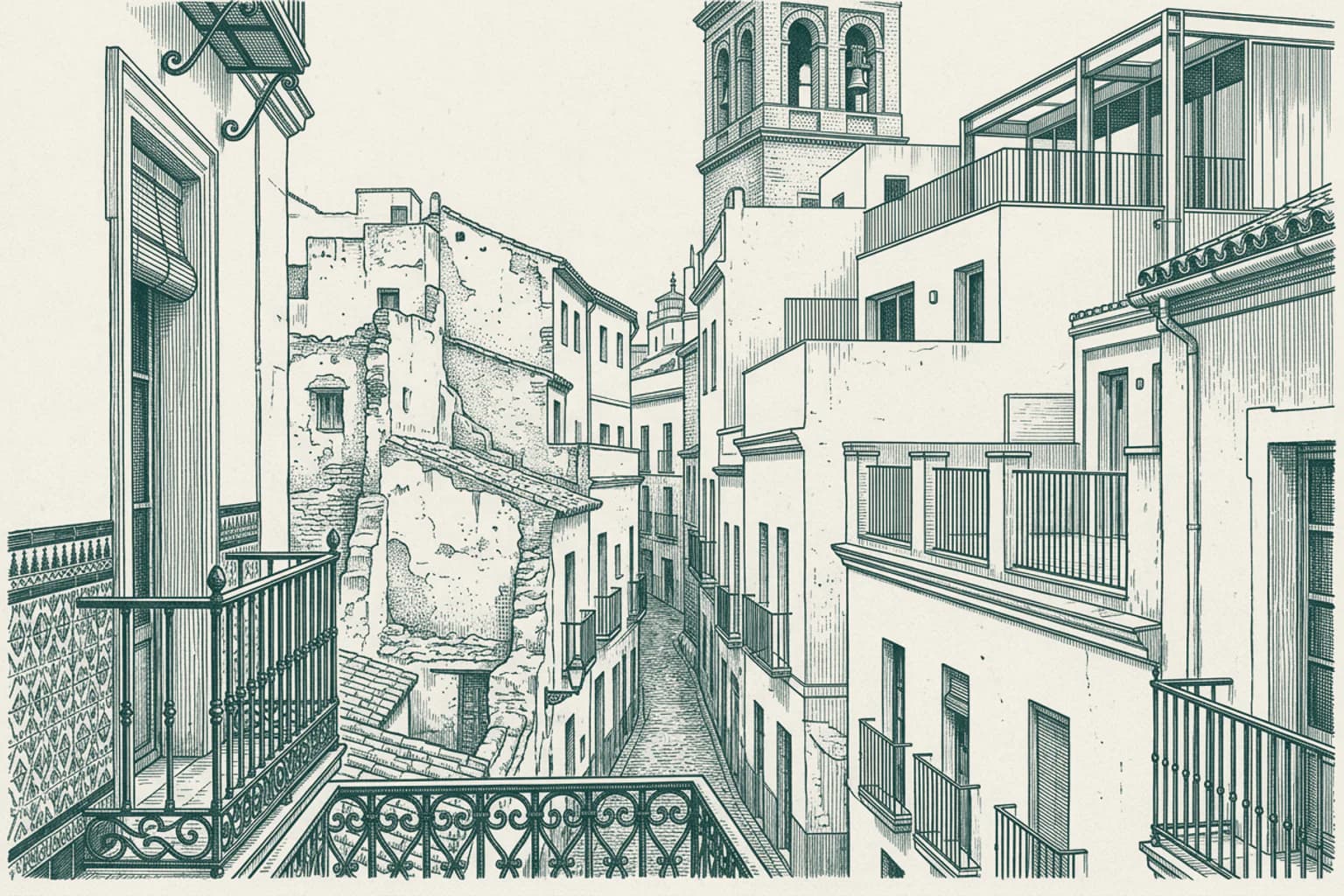
The Transformation of Seville
Returning to our narrative, we find that the city is not merely a static monument to its past, but a landscape defined by profound shifts in power and architectural identity. While the 18th century saw the formal consolidation of the Spanish Empire's legacy with the inauguration of the General Archive of the Indies in 1785, housed in the grand merchant guild building designed by Juan de Herrera, the city was simultaneously grappling with the remnants of its deeper, multilayered history. The Giralda stands as the most potent symbol of this transition. Originally constructed as the minaret for the Great Mosque during the Almohad dynasty, it was later repurposed by the Catholics, who added a Renaissance-style belfry following the expulsion of the Muslim rulers. This tower became the permanent bell tower for the Cathedral, grounding the city in a visual dialogue between medieval Moorish craftsmanship and Catholic architectural dominance. This same spirit of preservation and adaptation extended to the social fabric of the city. By 1674, the Hospital de la Caridad was founded, an institution that would eventually house the celebrated work of Bartolomé Esteban Murillo, who was commissioned to create eight paintings for the Hermandad de la Caridad. These artistic and structural layers represent the constant evolution of Seville, where the baroque sculptures of the 17th century exist in the same municipal space as the modern, ambitious projects of the 21st century. The city has consistently balanced the weight of its UNESCO-recognized heritage, comprising the Alcázar, the Cathedral, and the General Archive, with the needs of a growing metropolitan population that now exceeds 1.5 million people. Even as the city moved into the modern era, hosting global events like the 1999 World Championships in Athletics, it continued to honor its local figures, such as the poet José María Blanco White, born in 1775, whose life was dedicated to the fight against intolerance. The shift from the classical influence of the late 16th-century merchant guild buildings to the massive, experimental wood structure of the Metropol Parasol, completed in 2011, illustrates a city that refuses to be confined by its own history. The urban landscape remains a volatile mix of the sacred and the secular, where archaeological museums sit beneath contemporary performance squares, and it is precisely into this complexity that you are driving now.
- 0509:45
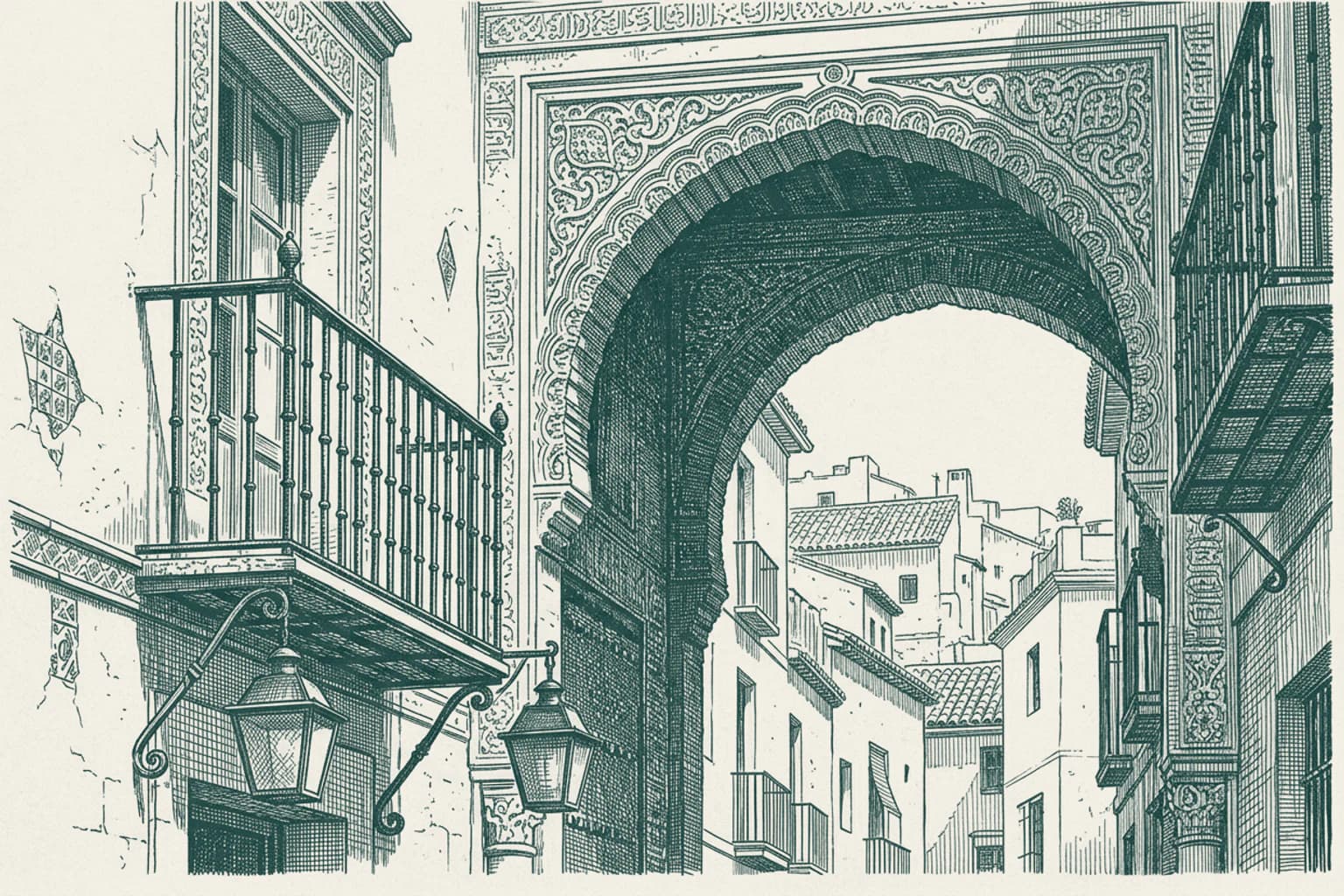
The Living Legacy of Seville
So, we arrive at the final movement of our story, where the echoes of centuries past collide with the relentless pace of modern life. Seville is not merely a collection of stone and mortar, but a living record of human ambition. Think of the General Archive of the Indies, inaugurated in 1785 by Charles III. Housed in a building designed by Juan de Herrera, it serves as the ultimate repository for the history of the Spanish Empire across the Americas and Asia. This structure, standing as a testament to the city's role as a global merchant hub, was rightfully recognized as a UNESCO World Heritage Site in 1987. Yet, this history is never static. It is balanced by the persistence of institutions like the Hospital de la Caridad, founded in 1674, which continues to care for the aged and infirm to this day. Within its Church of Saint George of Lydda, visitors still find the profound baroque sculptures and art commissioned from masters like Bartolomé Esteban Murillo. The city manages to hold these ancient threads alongside the bold, experimental strokes of the twenty-first century. Look at the Metropol Parasol, known locally as Las Setas. Completed in 2011, this massive wooden structure, designed by architect Jürgen Mayer, rises above La Encarnación square. It provides a panoramic view of the old city and houses an archaeological museum beneath its modern surface. This duality defines the Sevillian experience. From the Giralda, once a minaret and now the bell tower of the Cathedral, to the vibrant neighborhoods where figures like the poet José María Blanco White were born, the city is a layered narrative. It has hosted global events like the 1999 World Championships in Athletics, proving its ability to adapt and command the world stage. Today, as you navigate the roads leading into its heart, you are entering a metropolis of over six hundred thousand people that serves as the capital of Andalusia. You are approaching a city that treats its history as a foundation for its future, where the sacred and the secular, the ancient and the avant-garde, coexist in the lower reaches of the Guadalquivir River. The journey has brought you through time, from the Almohad dynasty to the contemporary wooden canopy of the Metropol Parasol, and it is precisely there that you are driving now.
- 0609:47
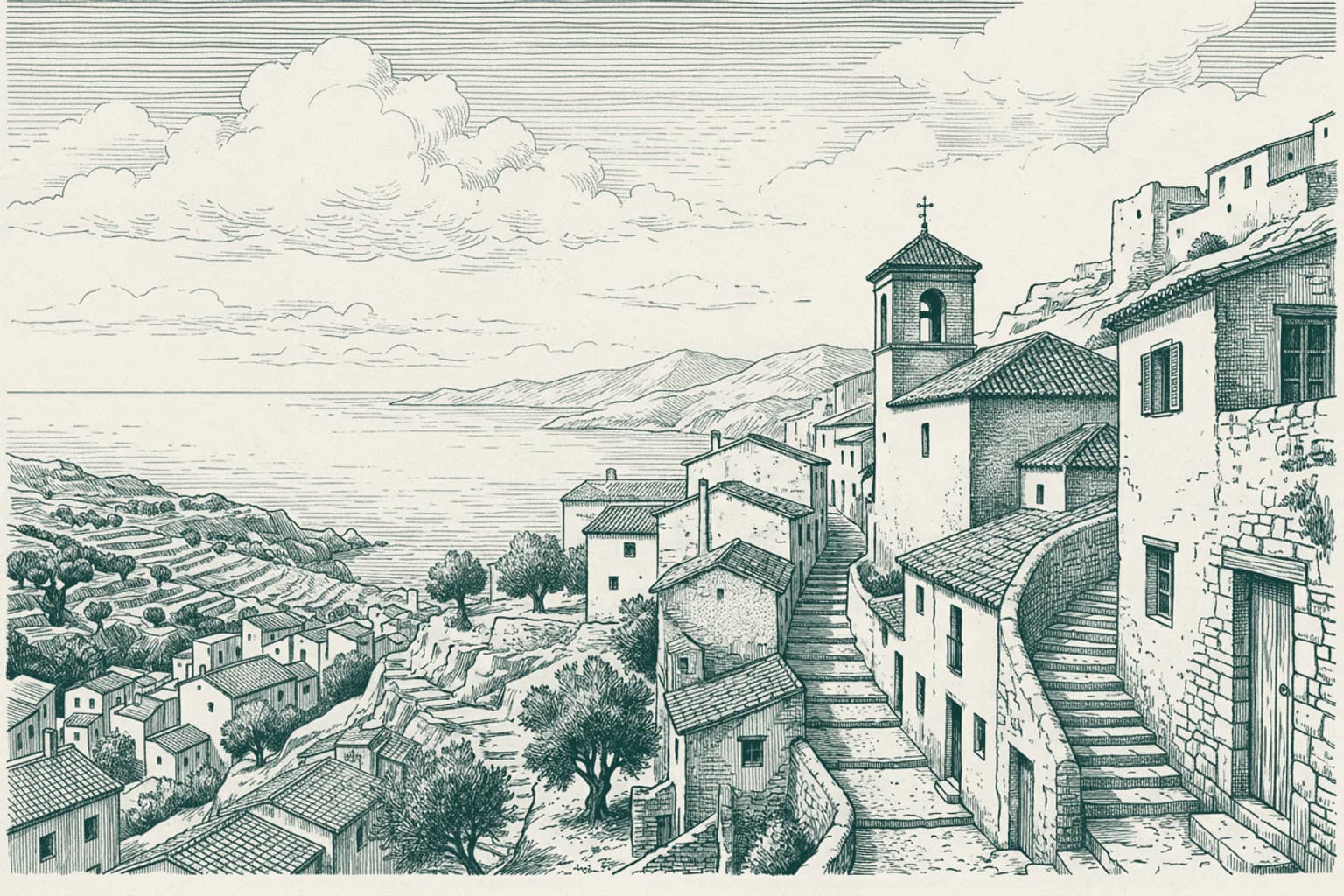
The White Village Above the Sea
As you leave the winding streets of Mijas, take a moment to look back at the white-washed houses clinging to the mountainside four hundred and thirty meters above the Mediterranean. This place, known to the ancient Romans as Tamisa, carries a weight of history that spans from the prehistoric Tartessians to the Moorish era, when the name evolved into the Mijas we recognize today. The village has always stood as a sentinel, its very existence defined by the struggle between the land and the horizon. Throughout the centuries, the people of Mijas lived under constant threat from the sea. Frequent pirate activity along the coast forced the inhabitants to build a series of watchtowers, structures that remain standing as silent, stone witnesses to a time when every sail on the horizon brought fear. These towers were not merely defensive; they were the heartbeat of a community that had to remain vigilant to survive. The resilience of this town was tested time and again, most notably in 1487, when the village resisted the Catholic monarchs during the siege of Malaga. Its subsequent loyalty to the Spanish crown earned it the title of Very Loyal, a designation that helped shape its identity as a proud villa. The 19th century brought a different kind of challenge. The great Phylloxera plague decimated the vineyards that had once been the source of the region's wealth, forcing the inhabitants to pivot toward paper production and other trades. During that same century, the slopes of Mijas saw the tragic end of General Torrijos and his fifty-two men, who marched through these hills in 1831 before their ultimate capture and execution. This landscape is marked by such stories of sacrifice and transformation, hidden beneath the peaceful veneer of white walls and narrow, sun-drenched alleys. Today, the village remains a bridge between the mountains and the coastal resorts, its history etched into the very soil where avocados and cereals grow. As you move away from the heights of the Pueblo and head toward the coast, the echoes of the past remain in the quiet stones of the old fortifications. May your journey ahead be clear and steady, and may the memory of this mountain village stay with you as you continue your path along the coast.
- 07Mijas, Málaga · 09:55
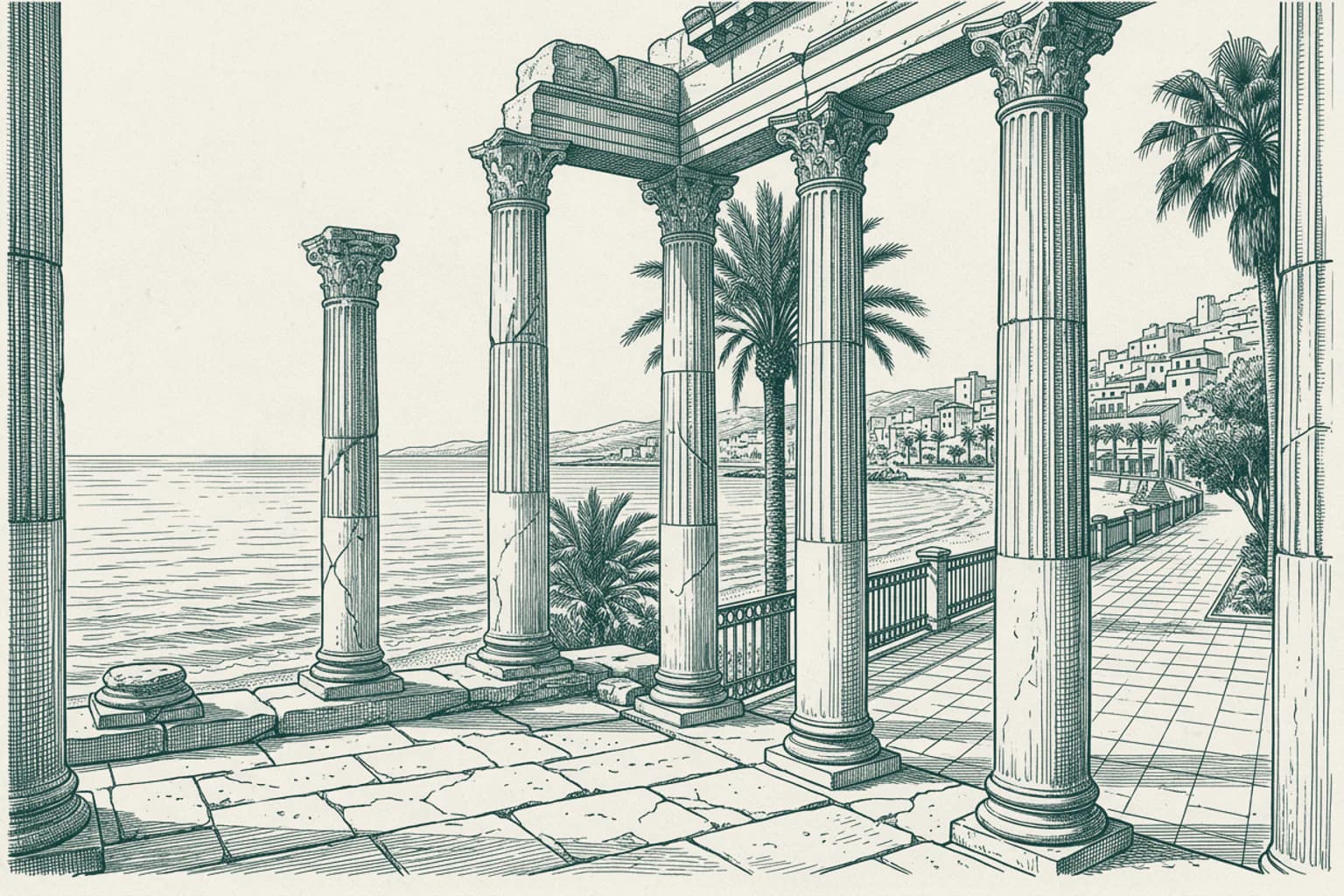
Mijas, Málaga Roman echoes in Fuengirola
Returning to this stretch of the coast, it is worth looking beyond the modern resorts to the quiet remnants of the ancient Roman world that once thrived here. Long before the medieval fortifications defined the skyline, this area was known as the town of Suel. Roman historians like Pliny the Elder once documented it as a fortified oppidum, a vital hub of the ancient coast. Beneath the soil near the castle, archaeologists discovered the remains of Roman baths and a grand villa, which once housed the elegant sculpture known as the Venus of Fuengirola. Even the very stones of the promenade in Los Boliches tell a story, as they feature architectural elements likely transported from the Mijas quarry during the Roman era and later assembled into a temple entrance. These fragments offer a glimpse into a time when this landscape was a bustling Roman municipium.